Whale watching in Japan
Whale watching is a search in open water, not a scheduled animal performance. Choose the region for its seasonal wildlife, then compare the vessel, length of trip and departure port. Two tours advertised with the same whale photograph can involve very different days.
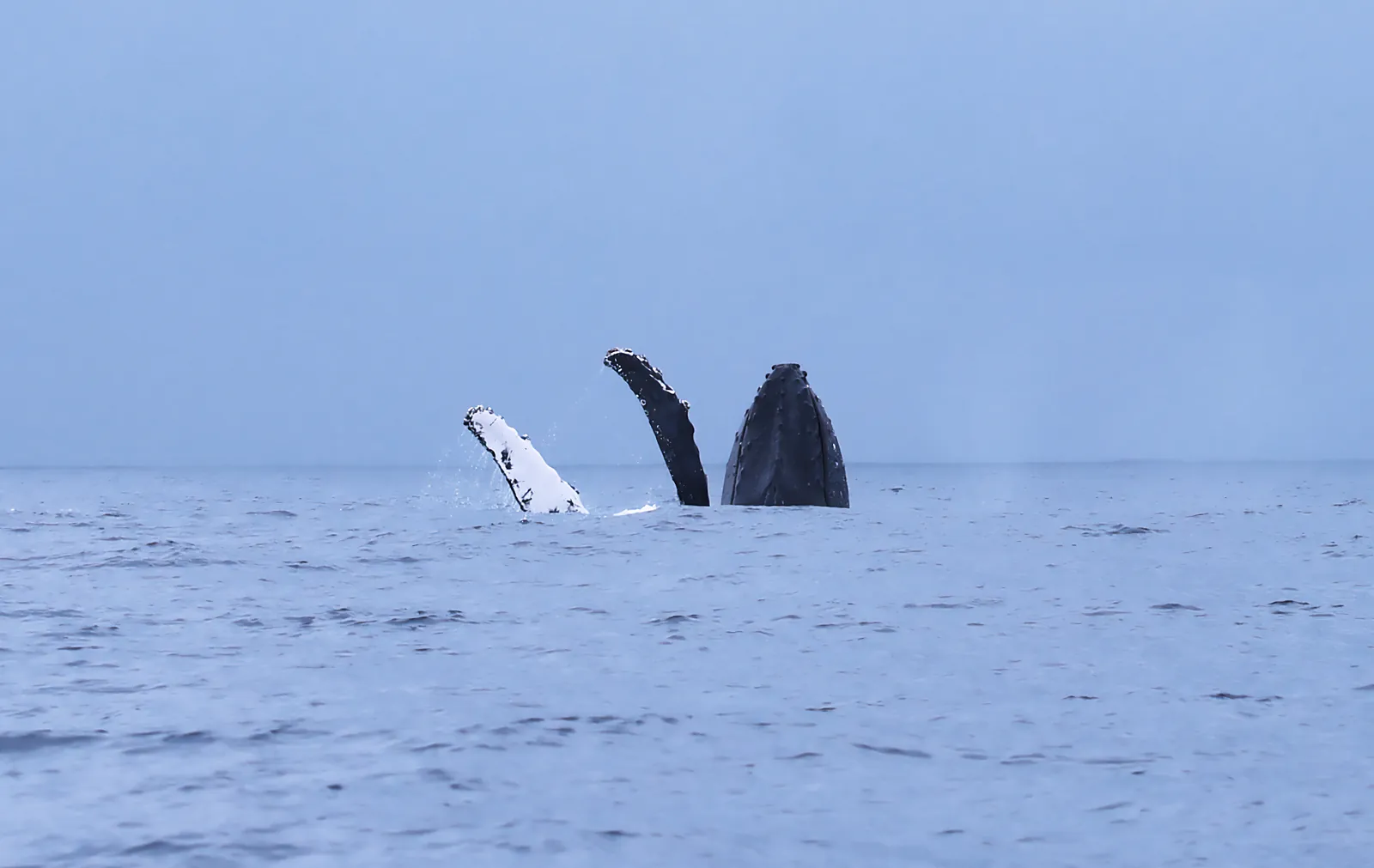
Okinawa is associated with winter humpbacks, while Rausu offers a different northern marine wildlife experience. Other island and Pacific coast trips can be worthwhile, but the species present, operating dates and likelihood of sightings need to be checked with the actual operator.
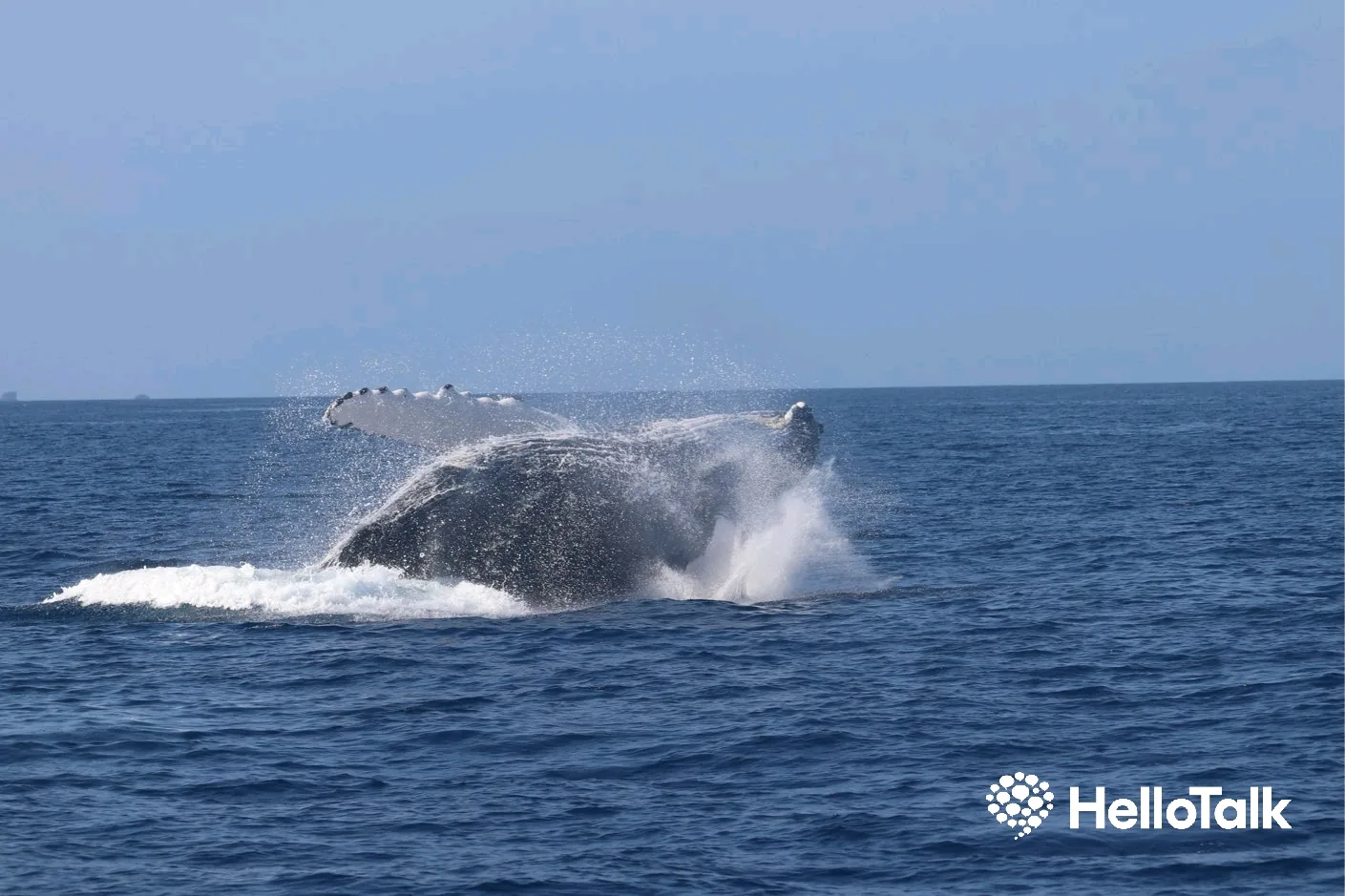
Where and when to look
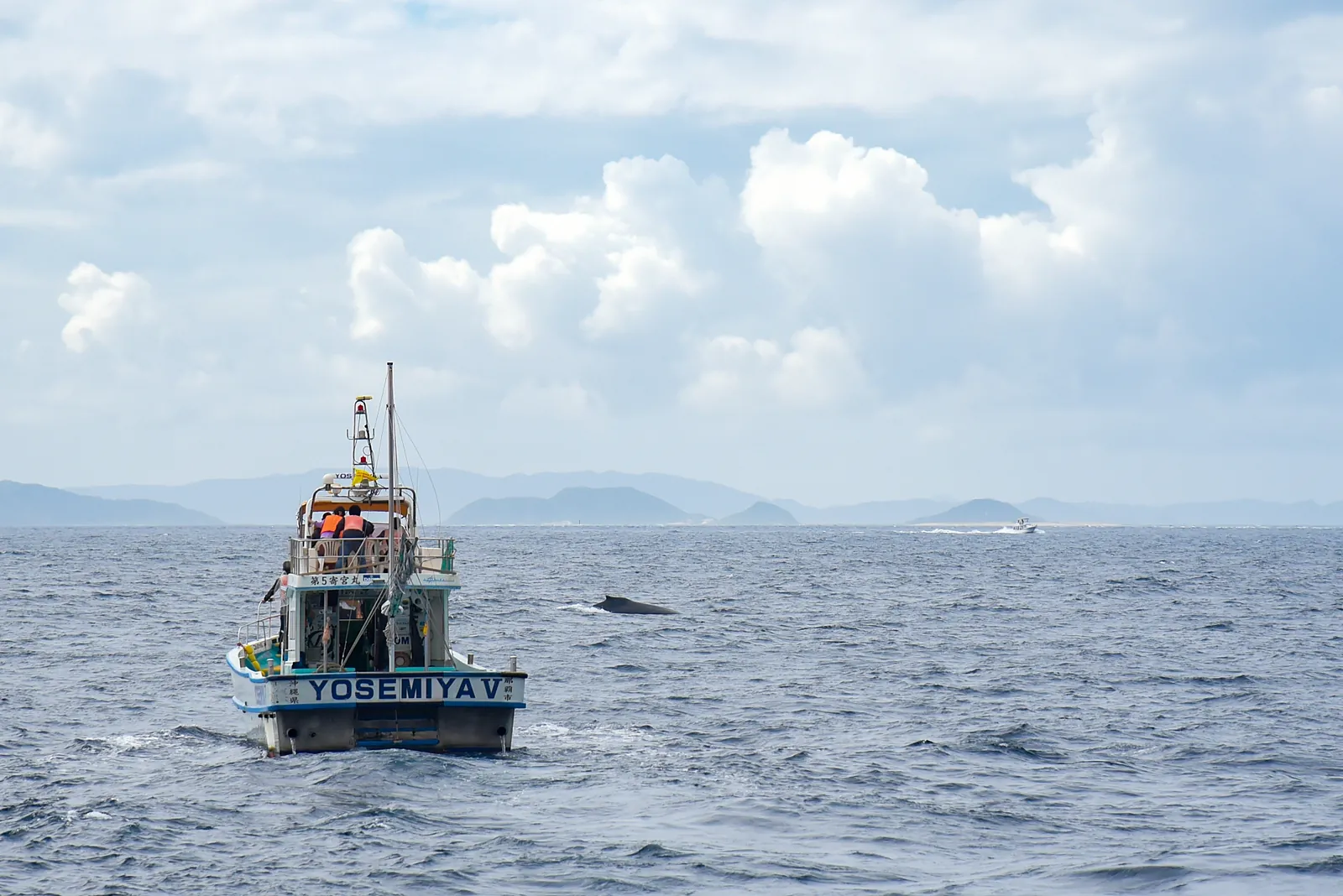
Open a place to compare the experience, season and practical demands.
Okinawa main island and Kerama area
The official Okinawa tourism site identifies January to March with humpback watching. Exact tour seasons can extend beyond that window. Compare a main island departure with an island based stay. Reaching the departure point and recovering from a cancellation are different logistics.
Rausu, Hokkaido
The Shiretoko Nature Cruise operator publishes departure and operating updates. Check your target species and dates directly. One broad cruise season does not mean orcas and sperm whales are equally likely throughout it. The open water experience is separate from a winter eagle cruise.
Ogasawara Islands
Treat this as an island itinerary with a wildlife outing, not a quick addition to Tokyo sightseeing. Verify ferry dates, tour availability and the species expected before committing. Leave contingency time for transport disruption.
Amami Oshima
Compare surface watching boats with any in water products very carefully. They are different activities with different physical demands. Select the trip you want rather than assuming every whale tour is a seated sightseeing cruise.
Kochi and the Pacific coast
Check the precise harbour, total trip duration and current operation before adding a tour to a mainland itinerary. Coastal travel time and sparse connections can make an apparently nearby port difficult to reach without a car.
What happens on a tour
Confirm the departure
Check the operator’s message for weather changes, meeting point and arrival time. The town centre, ticket office and boat berth may be different places.
Check in and attend the briefing
Tell staff about relevant access or health concerns. Learn how the life jacket works, where you may stand and what to do when the boat changes speed.
Travel to the search area
There may be a substantial period with no wildlife in view. Stay seated or hold designated rails as instructed and keep loose equipment secure.
Watch on the crew’s terms
Let the crew control the approach. Share rail space, avoid sudden movement across the deck and accept that the best sighting may be brief or distant.
Return with spare time
Do not place a flight, ferry or essential train immediately after the advertised return. Conditions, boarding and the onward transfer can consume more time than expected.
Boat, weather and booking checks
Compare vessels, not just prices
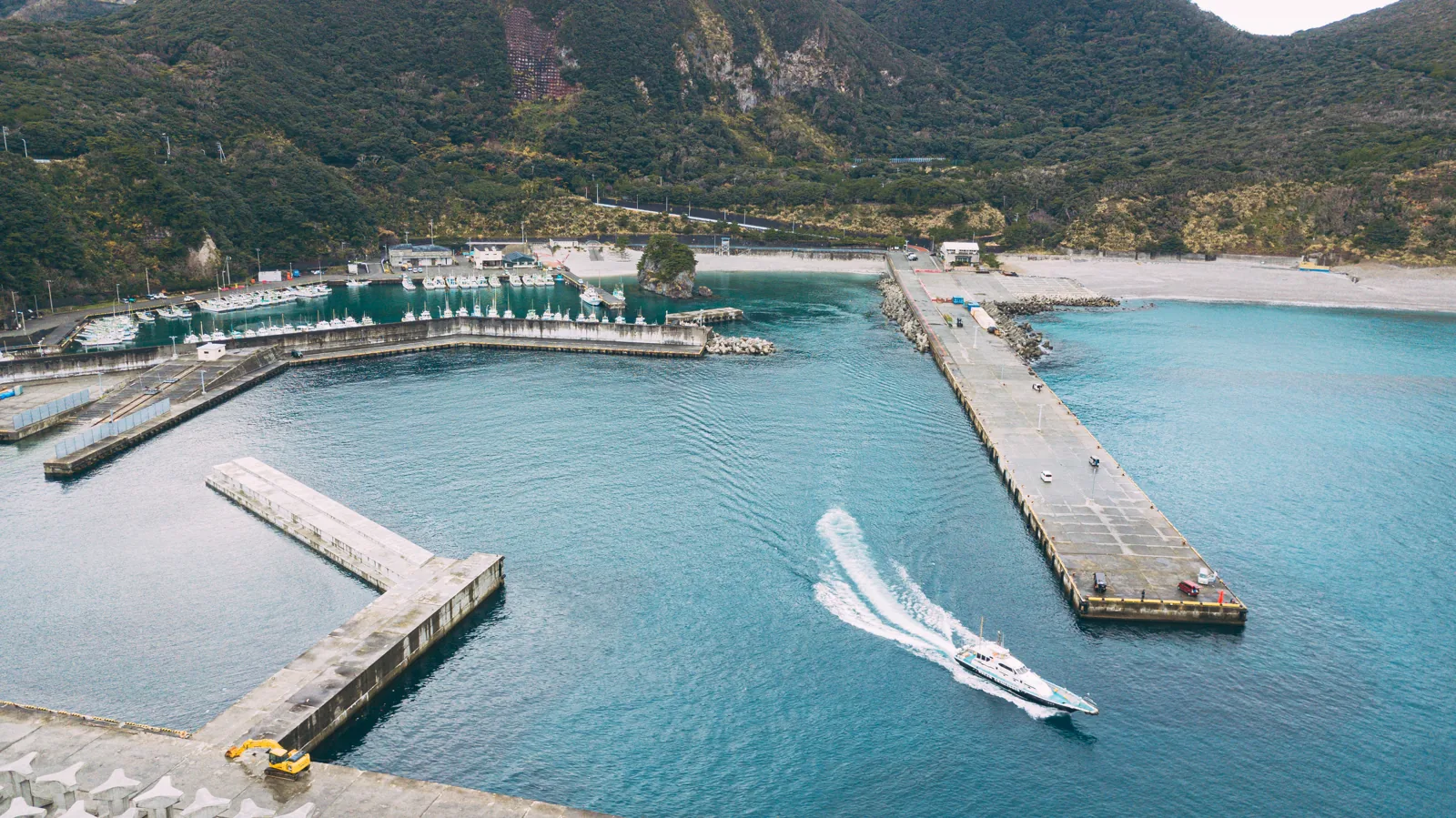
Ask about sheltered seating, toilets, boarding steps and passenger numbers. A larger vessel may offer different amenities, but no boat is immune to motion or weather cancellation.
Read both cancellation policies
Find out what happens if the operator cancels, if you cancel, and if the trip runs without a sighting. A free repeat ticket may be of little use if you leave the next morning.
Plan for motion and exposure
Wear layers suitable for wind and spray, secure hats and protect electronics. If you need advice about motion sickness treatment, ask a pharmacist or clinician beforehand rather than borrowing someone else’s medication.
Check participation restrictions
Ask about children, pregnancy, mobility and relevant medical conditions before paying. The operator needs to explain what its vessel and conditions can accommodate. Generic travel advice cannot decide individual suitability.
Choose a responsible operator
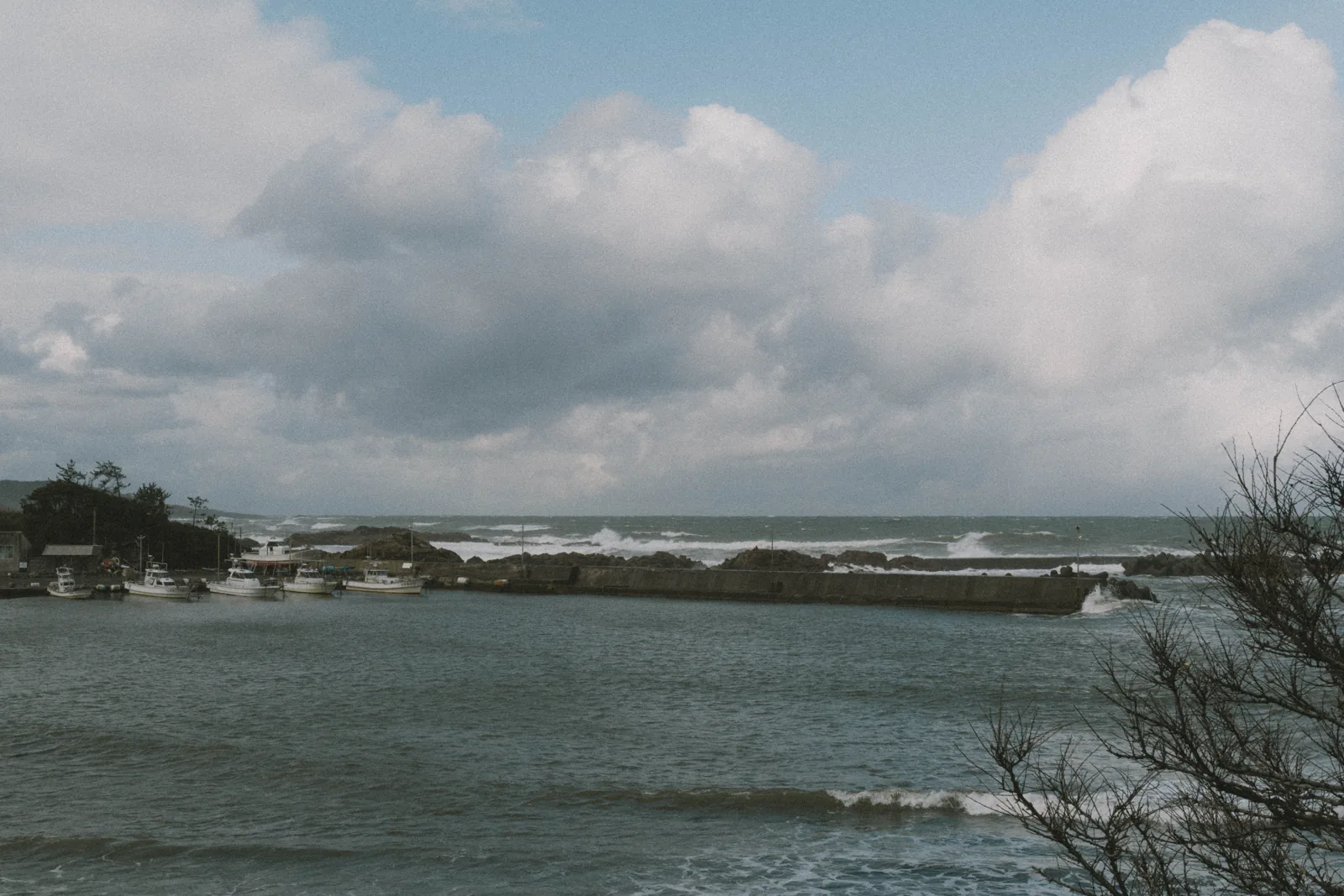
Look for a published wildlife viewing policy and a clear explanation of how boats approach, limit time nearby and avoid disturbing animals. Ask how local viewing rules are followed and how the crew handles several boats at one sighting.
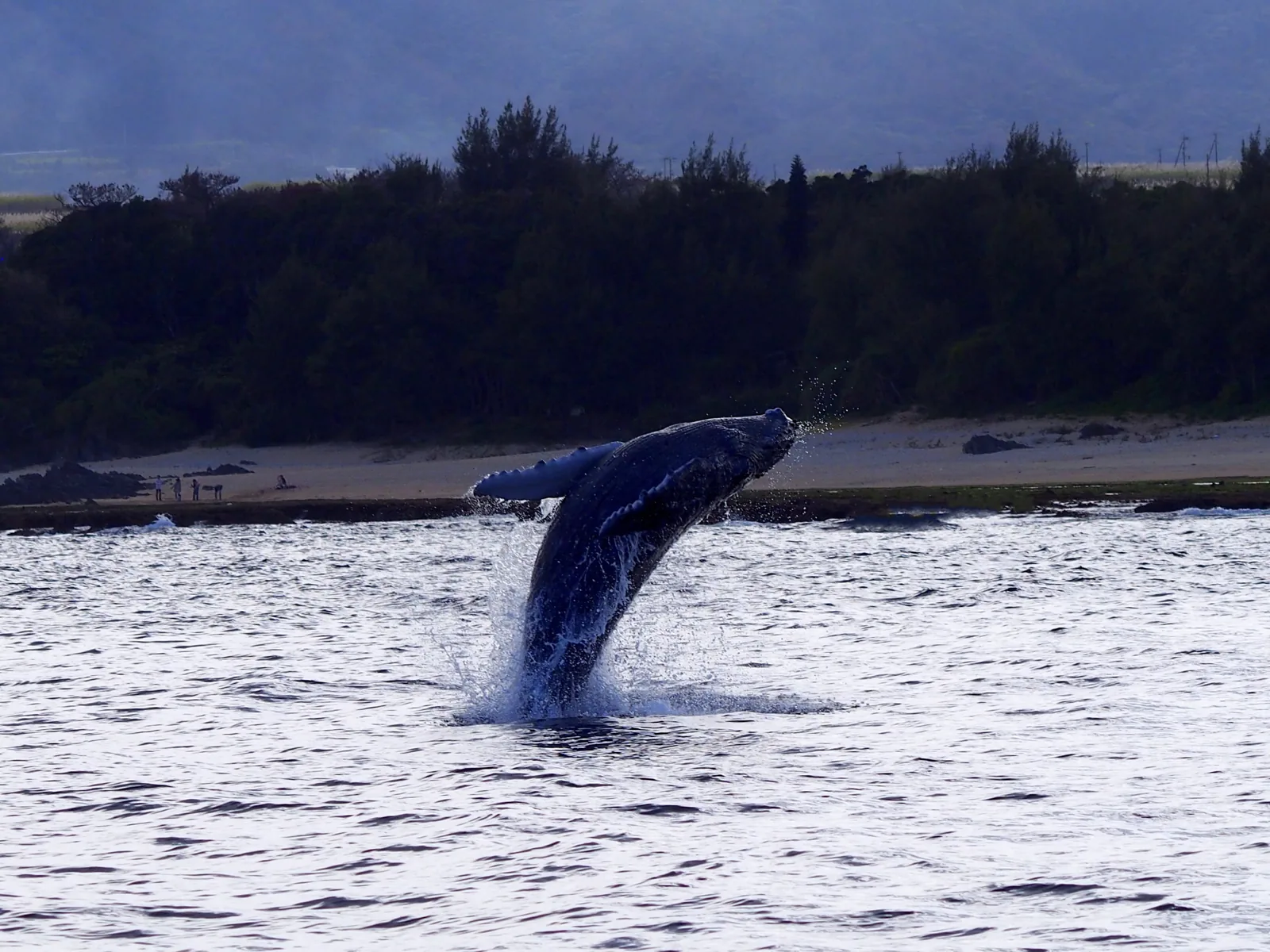
A promise to get extremely close is not a useful quality measure. Prefer an operator willing to keep its distance, change course or abandon an encounter. Breaching, tail displays and a particular species are never behaviours a responsible operator can guarantee.
A boat may run in acceptable conditions and still find no whales. Choose an outing whose time at sea and coastal setting you would enjoy even without the photograph you hoped for.
Common questions
Is whale watching the same as swimming with whales?
No. Surface watching and in water activities have different requirements. Confirm exactly what your booking includes.
Will I receive a refund if nothing is seen?
Only if the operator’s terms provide one. Policies for no sightings are different from policies for weather cancellations.
Can I choose the species I see?
You can choose an appropriate region and season, but a particular species or behaviour is not guaranteed.
Should I book on my last day?
An earlier day leaves more room to reschedule. Keep a buffer before essential onward travel regardless of the date.