
Pottery in Japan
A pottery visit can mean making one piece, browsing a town’s galleries or learning how local clay and firing shape the finished work. Decide which matters most before choosing a studio. A short wheel lesson and a day exploring a kiln town answer different interests.
The practical detail to settle early is what happens after the workshop. Clay work usually needs drying and firing after you leave. If bringing home your own piece is essential, confirm collection or delivery before booking, not when the session ends.
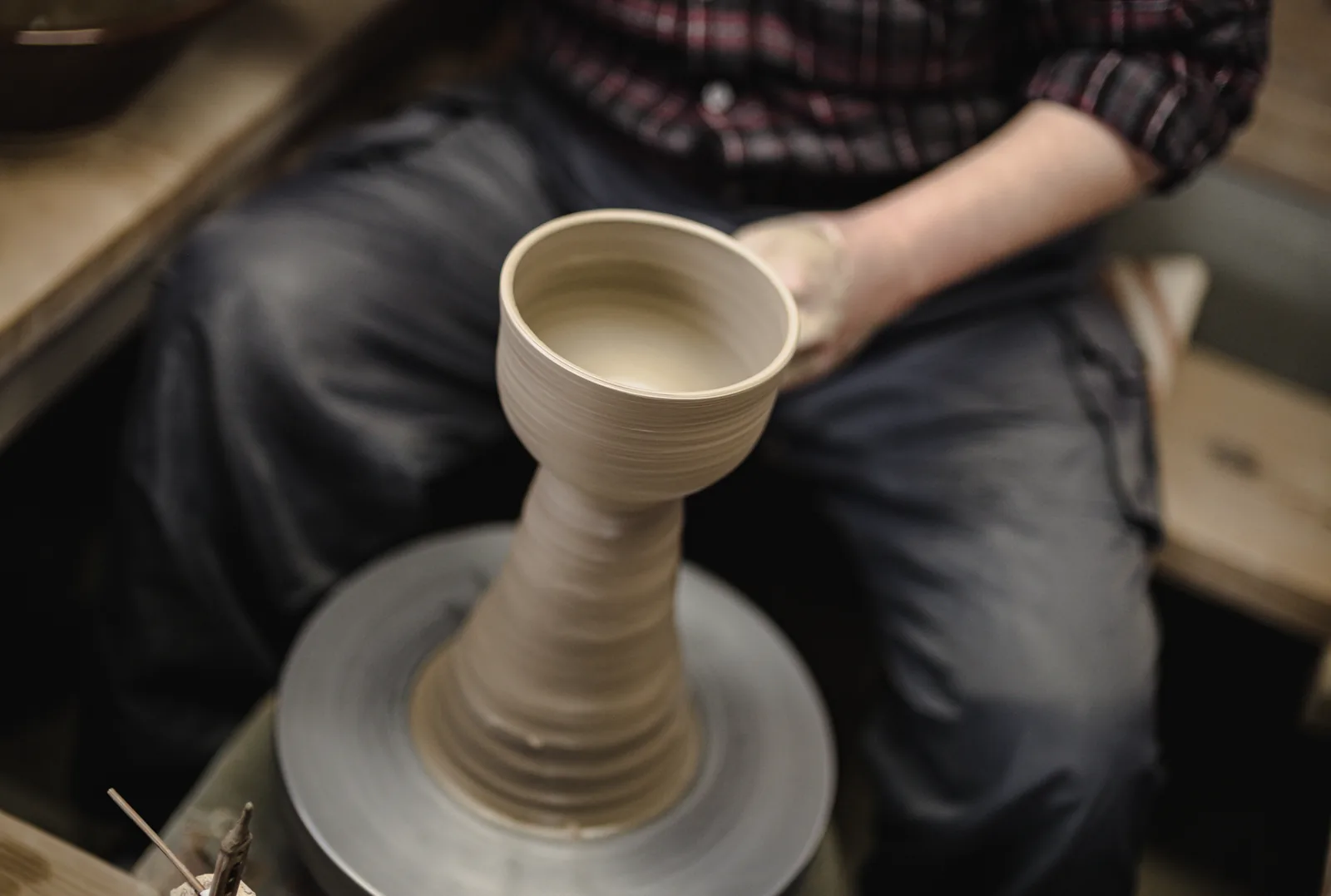
Choose a pottery experience
Hand-building
Shape clay using your hands, slabs or coils rather than a powered wheel. This can give more freedom over form, but the studio may limit size and the number of pieces. Ask what beginners can realistically finish in the session.
Wheel throwing
Work with rotating clay under an instructor’s guidance. Ask how much individual wheel time you receive, how much help is provided and how many pieces are included in the firing fee.
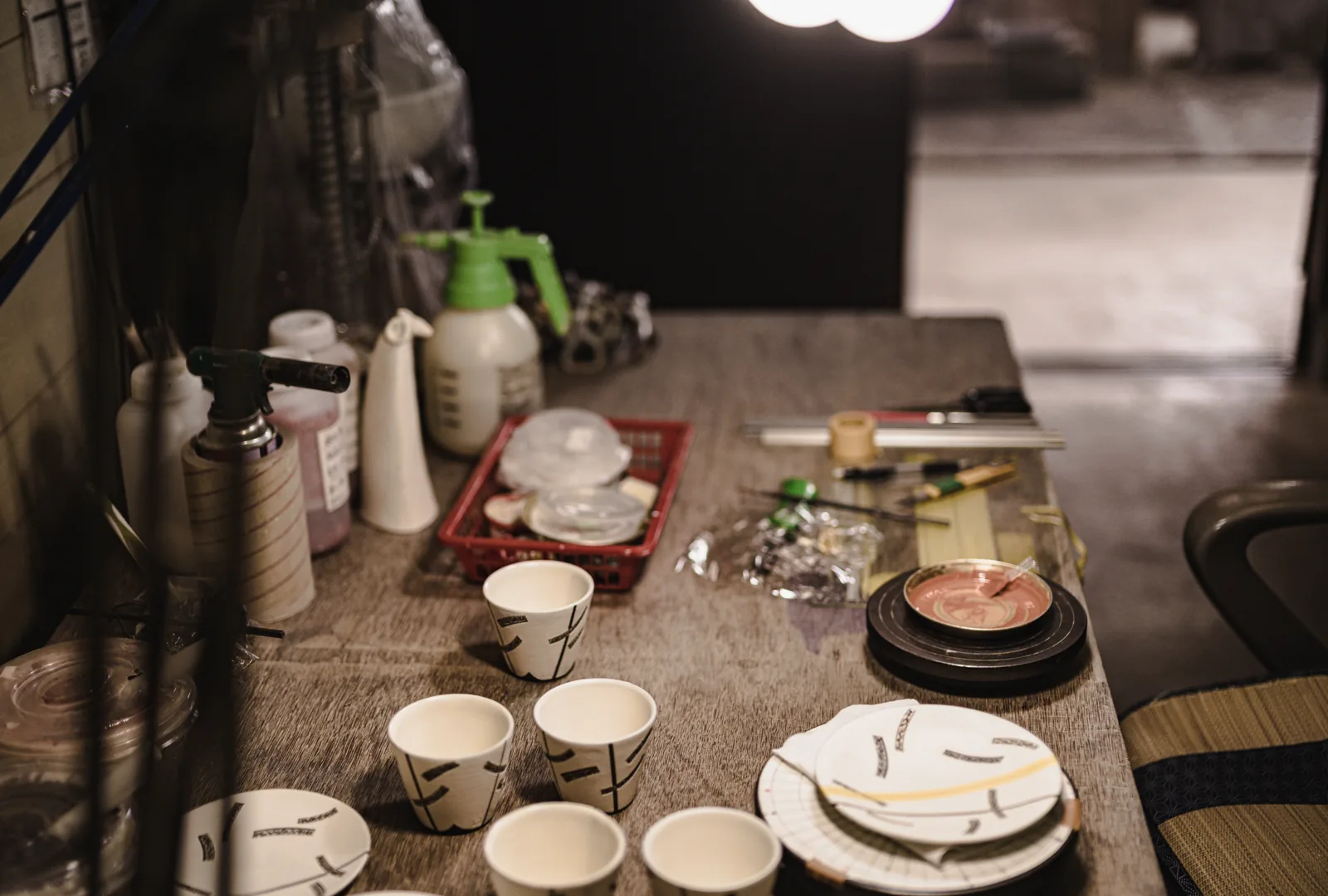
Painting or decorating
Apply a design to a prepared piece. This often suits visitors who care more about surface decoration than forming clay, but decoration may still require firing before collection.
Buying and viewing
Combine galleries, shops, museums or an arranged kiln visit without making anything. It is a good option when you cannot wait for firing or shipping, and lets you compare finished work at your own pace.
Pottery styles and the places behind them
Open a place to compare its character and the visit to plan.
Arita and Imari, Saga
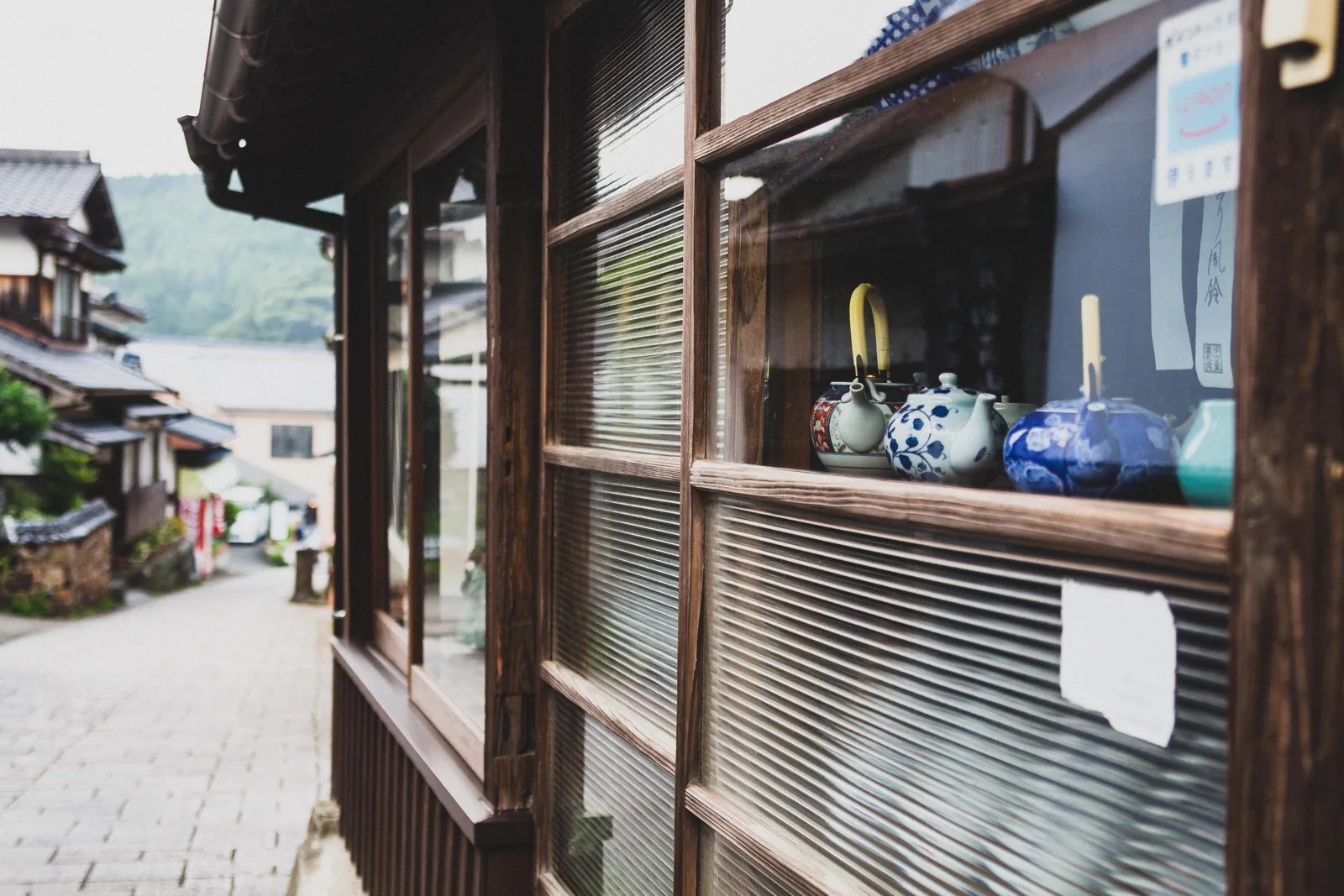
Choose this area for porcelain, from blue and white work to colourful decoration and contemporary designs. A shopping centre, a museum and a working studio offer different visits. Book a workshop separately and do not assume a kiln or production space is open to casual visitors.
Mashiko, Tochigi
Useful for comparing individual potters as well as the town’s folk craft associations. The Mashiko tourism association lists local visitor information and pottery experiences. Fair days bring extra stalls and crowds. An ordinary day may suit a booked lesson better.
Bizen, Okayama
Imbe is a useful base for exploring Bizen ware. Surface effects come from clay, kiln conditions and firing rather than a coat of decorative glaze. If making a piece, ask when the studio next fires work and how the process affects delivery time.
Hagi, Yamaguchi
Look for bowls and other vessels whose texture and glaze are part of their appeal. Ask the maker about care and food use. Handmade ceramics should not automatically be treated as dishwasher or microwave safe.
Mino region, Gifu
The region includes styles such as green glazed Oribe and white Shino. Choose a specific town, museum or studio rather than searching for one generic “Mino pottery village.” A contemporary workshop may offer its own clay and glazes rather than every regional technique.
Shigaraki, Shiga
The familiar tanuki figures are only one part of the area’s ceramics. Compare studios, exhibitions and town walks, and check the distance between stops before assuming everything is clustered around one station.
Kyoto
Kyo-yaki and Kiyomizu-yaki encompass varied work rather than one uniform appearance. Browse shops as part of a city day, but confirm the actual workshop address, as the lesson need not be in the same street where the finished wares are sold.
From making to the finished piece
Agree on the project
Confirm the method, session length, included clay or blank piece and number of items that can be kept. Ask what happens if you make more than the package includes.
Prepare and practise
Tie back hair, remove items that could catch or mark the work, and follow the studio’s instructions. Tell the teacher about grip or seating needs before starting.
Make and select your work
Expect instruction and adjustment rather than instant mastery. Choose which pieces will proceed to firing, and confirm whether staff will trim or finish them after your visit.
Choose the finish
Ask whether you choose a glaze, colour or decoration and who applies it. Firing can change the appearance. A wet sample is not a promise of the final shade.
Record delivery details
Get the estimated completion window, destination accepted, total shipping charge and contact details in writing. Keep a photograph or order number that identifies your work.
Wait for firing and delivery
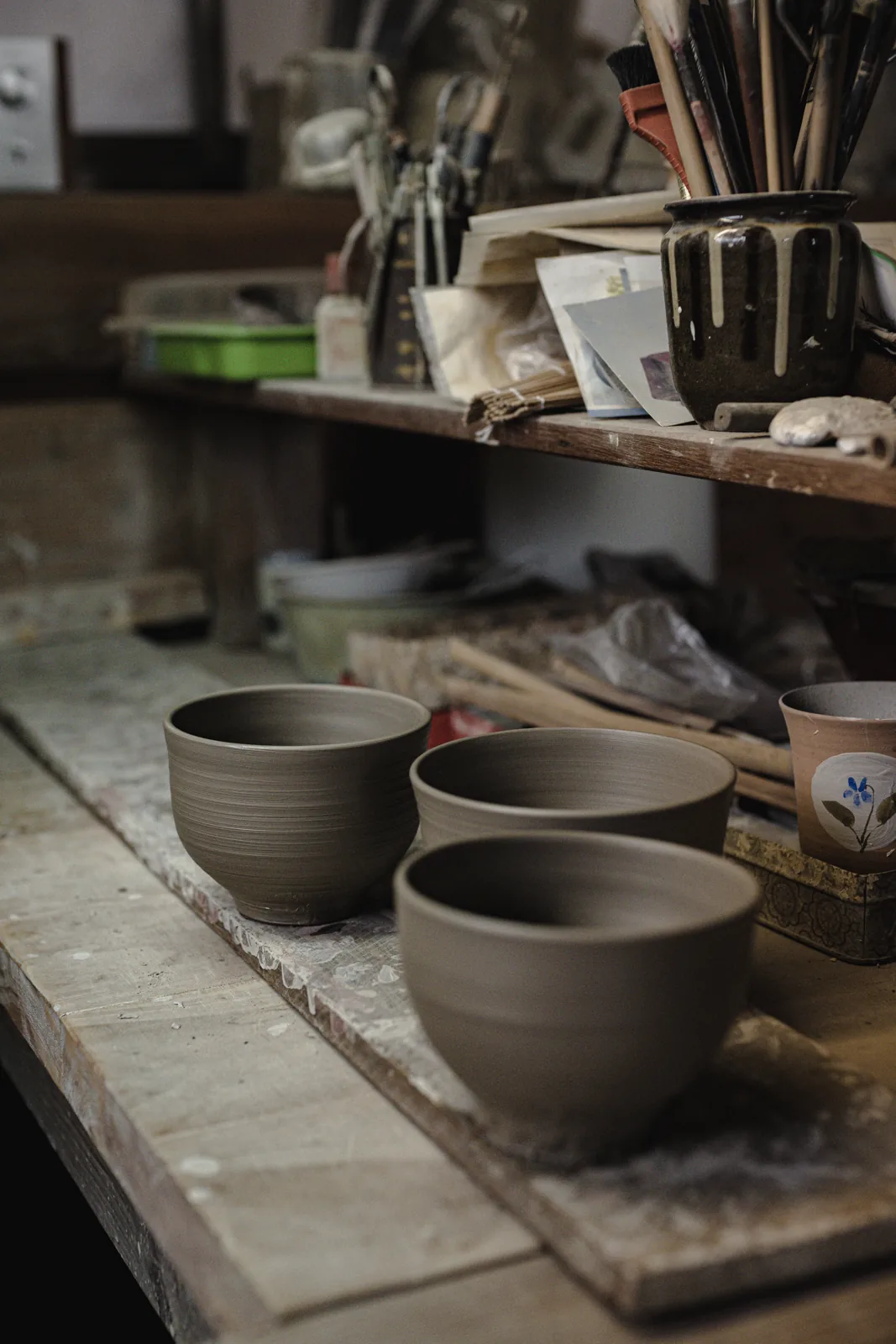
Drying, kiln schedules and shipping take additional time. Do not plan to collect the next day unless the studio explicitly offers that service for your chosen product.
Firing, shipping and buying
International delivery is not automatic
Some studios ship domestically only, and overseas options may depend on destination, parcel size or the finished item. Confirm the address and service before making the piece.
Ask about delay and damage
Check what happens if a piece cracks in firing, a parcel breaks or delivery is delayed. These are different issues and may have different refund or replacement policies.
Do not rely on a hotel address too early
If work will not be ready until after checkout, a Japanese hotel address does not solve the problem. Arrange delivery only where someone can receive the parcel at the expected time.
Ready made pieces need care too
Ask about protective packing, shipping and intended use. Check the destination’s current import requirements if relevant, and keep receipts and the seller’s contact details.
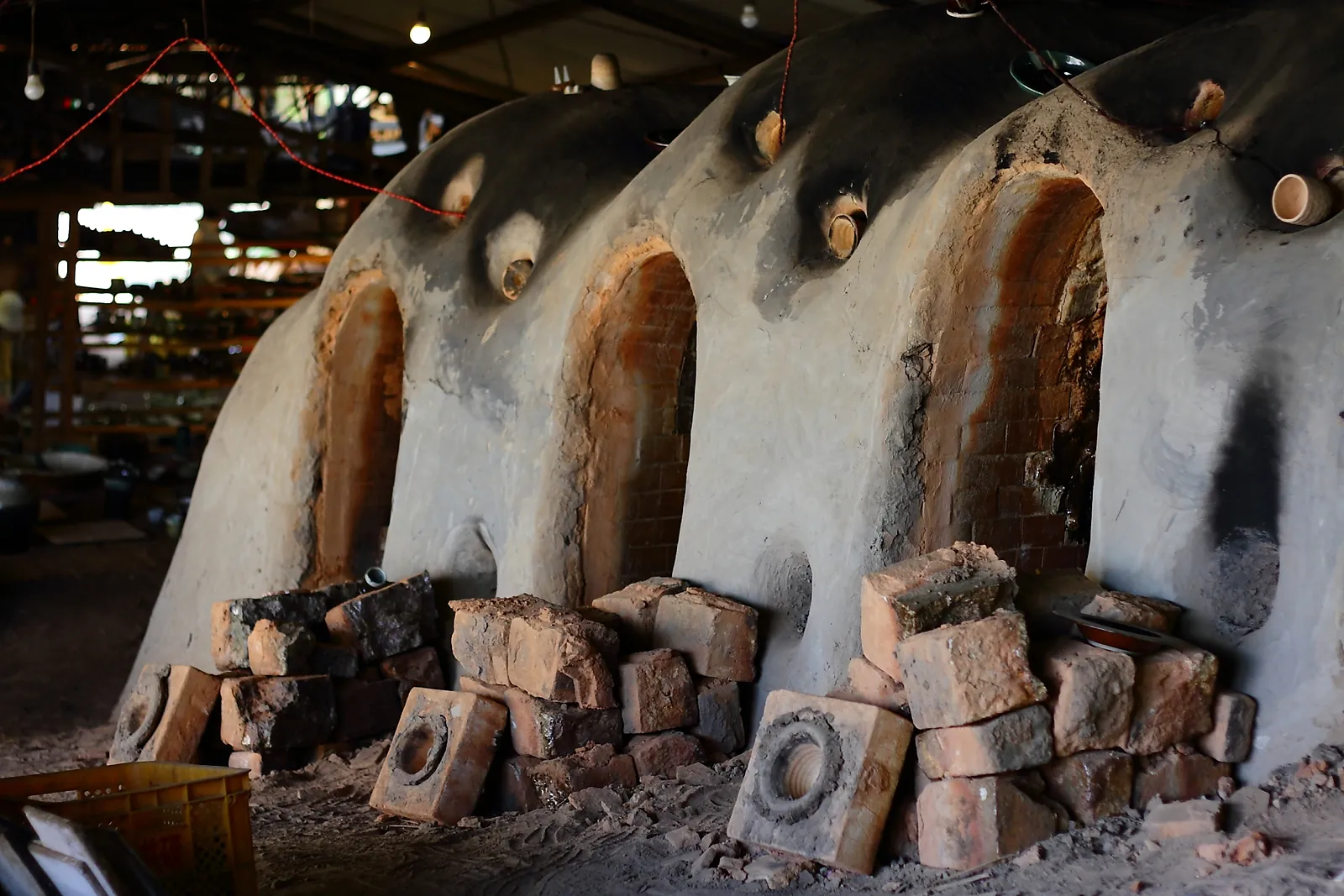
When visiting a fair, allow time for busy transport and carrying purchases. When visiting a working studio, follow signs and ask before entering production areas or photographing people. A gallery opening does not imply that a firing or demonstration is taking place that day.
Common questions
Can I take my piece away the same day?
Usually not if it needs drying and firing. Confirm the specific workshop’s finishing process before booking.
Will the studio ship overseas?
Only if it offers that service for your destination and item. Confirm the total charge and estimated timing first.
Is painting a prepared piece the same as wheel throwing?
No. Painting focuses on decoration, while wheel throwing shapes the clay. Read the session description carefully.
Can I visit a kiln without a booking?
Do not assume so. Shops and galleries may be open while production areas require an arranged visit.