Sumo, and why you see it in person
Sumo on television is two large men, a few seconds of violence and a replay. Sumo in the hall is a different sport, because most of what makes it what it is happens in the gaps. The wrestlers climb onto the raised clay ring, crouch, throw salt to purify it, stare, stand up, walk back to their corners, and do it all again, three or four times, before anything you would call a bout takes place. A full crowd sits through that in a silence that thickens with every false start, and then the whole building goes off at once. That rhythm, the ritual and the wait and the release, is the thing no broadcast gives you, and it is why an afternoon at a tournament stays with people who have no particular interest in wrestling.
It is also one of the easier great experiences in Japan to actually have, provided you understand two things about it. Sumo runs to a fixed calendar, six tournaments a year in four cities on dates published years ahead, so it is either happening when you are there or it is not. And the tickets sell out, sometimes on the day they go on sale, so it rewards the traveller who plans a little and punishes the one who turns up. Everything below is about getting that right.
The six tournaments
Each Grand Tournament runs for fifteen days, Sunday to Sunday, and every wrestler fights once a day, so the standings build across the fortnight towards a title decided on the last afternoon. Three of the six are in Tokyo and the other three travel. The dates below are the Japan Sumo Association's own for 2027, and the pattern holds from year to year.
Open a city for its dates and its venue.
Tokyo, in January, May and September
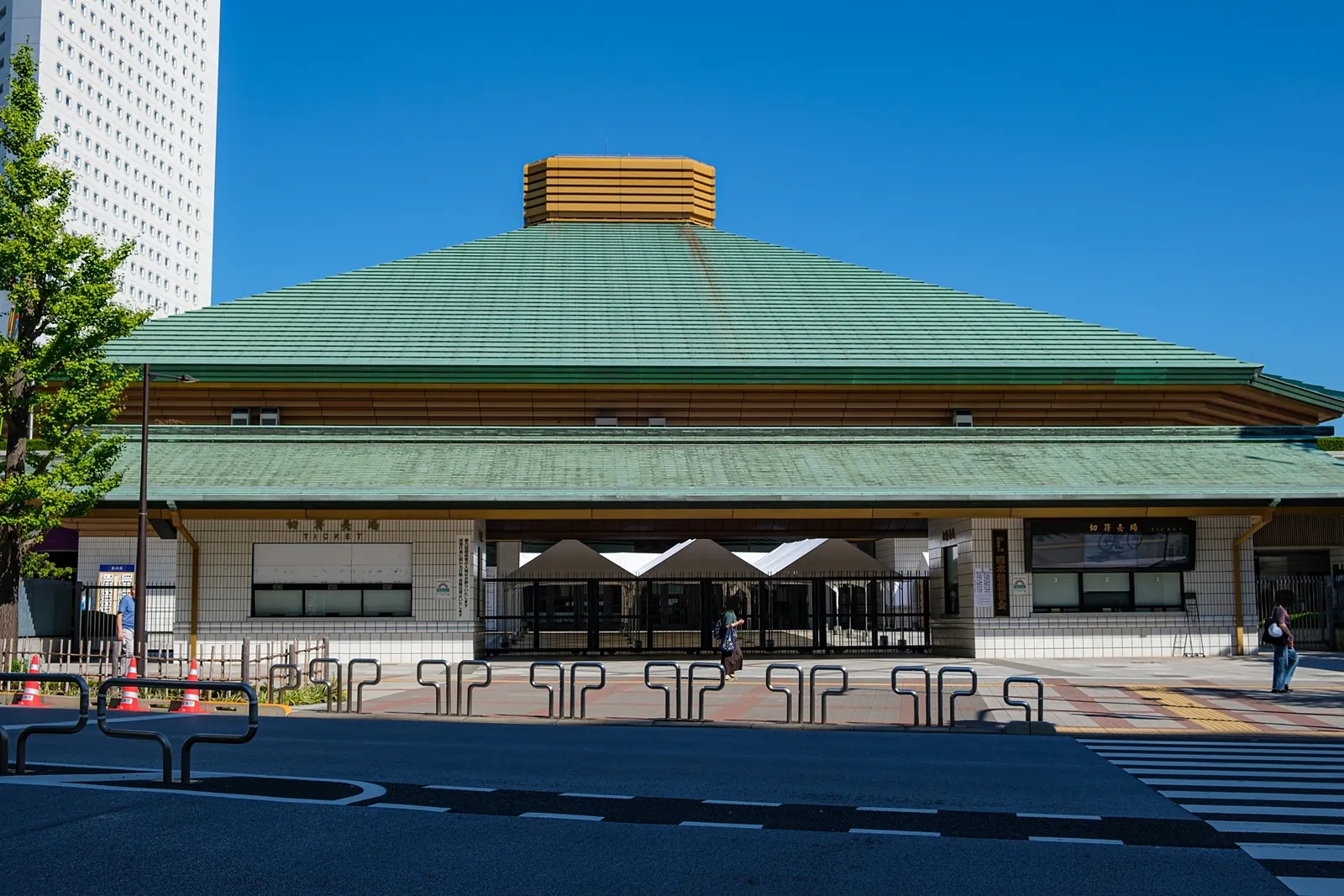
The Kokugikan in Ryogoku is where sumo lives, a purpose built hall a minute's walk from Ryogoku Station on the JR Sobu Line, with the Sumo Museum on its ground floor and the wrestlers' stables scattered through the streets around it. In 2027 the Tokyo tournaments run 10 to 24 January, 9 to 23 May and 12 to 26 September. If you have a choice, see it here, because the building, the neighbourhood and the crowd are all part of it.
Osaka, in March
The March tournament is held at EDION Arena Osaka, the Osaka Prefectural Gymnasium, and in 2027 it runs from 14 to 28 March. It lands in cherry blossom season, which makes it the easiest tournament to fold into a first trip, and the Osaka crowd has a reputation for being louder than Tokyo's.
Nagoya, in July
The July tournament runs at the IG Arena in Nagoya, from 11 to 25 July in 2027. It is high summer and Nagoya is hot, and the hall is air conditioned, which is more of a selling point than it sounds by the second week of July.
Fukuoka, in November
The year closes in Fukuoka at the Fukuoka Kokusai Center, from 14 to 28 November in 2027. It is the smallest of the four venues and the one most people forget exists, and it sold out every date in 2026, so it is not a soft option.
The full calendar, two years ahead, is on the Sumo Association's schedule page.
Tickets, and when they go on sale
Tickets are sold by the day, not the tournament, through the Sumo Association's official service, Ticket Oosumo, which has an English site. Sales open about five weeks before each tournament on a published date, the January 2027 tournament for example went on sale on 5 December 2026, and the good seats and the final weekend go first. The November 2026 tournament was sold out on every date. So the single most useful thing on this page is that sale date. Find it on the schedule, put it in your calendar, and buy that morning.
Box seats, on the floor
The traditional way, a small square of floor with cushions for four people, shoes off, sitting cross legged or kneeling for hours. Sold as the whole box. A Masu B box is ¥40,000 on a weekday and ¥42,000 at the weekend, a Masu C box ¥34,000 and ¥38,000. Wonderful for the atmosphere and the view, and hard on knees that are not used to it.
Chair seats, upstairs
Ordinary stadium seats on the upper level, sold per person. Chair B is ¥5,000 on a weekday and ¥5,500 at the weekend, Chair C ¥3,500 and ¥4,000. Further from the ring, entirely comfortable, and for most visitors the right call. The ring is small enough that nobody in the building is far from it.
Weekdays are cheaper and calmer
Every price above is lower on a weekday and the hall is easier to get into. The trade is that weekend crowds bring the noise. If it is your first time, a weekday in the second week gives you both.
Buy from the source
The official ticket page is the one that counts. Resale sites exist and charge accordingly, and a tour package that includes a seat is the other honest route when the official sale has gone.
How a tournament day runs
A ticket is for the whole day, and the day is long. Doors open at 8:00 and the lowest divisions start around 8:30 in a nearly empty hall, which has its own charm if you want to sit anywhere and watch young wrestlers who will be famous in five years. The hall fills through the afternoon as the ranks rise. The second division, juryo, enters the ring around 14:20 and fights from about 14:40, then the top division enters in its ceremonial aprons around 15:45, the yokozuna perform their own ring entering ceremony after that, and the top bouts run through to the final one and the bow twirling ceremony at around 18:00. From the thirteenth day the whole programme starts later, at 10:00.
Most people arrive between 14:00 and 15:00 and see the part of the day that matters. You may leave and come back once, through the South Gate, so a break for lunch or air is fine. Bring or buy something to eat, because the afternoon is four hours in your seat, and if you are in a box, bring socks you are happy to be seen in.
Outside the tournament
The Sumo Museum on the ground floor of the Kokugikan is free and open 10:00 to 16:30, last entry 16:00, on weekdays only, closing on Saturdays, Sundays and national holidays with some exceptions and over the new year. It holds the woodblock prints, the ranking sheets and the ceremonial aprons, and on tournament days it opens 12:30 to 16:00 to ticket holders only. It is a small, good half hour, and a way to stand inside the building on a day with nothing on.
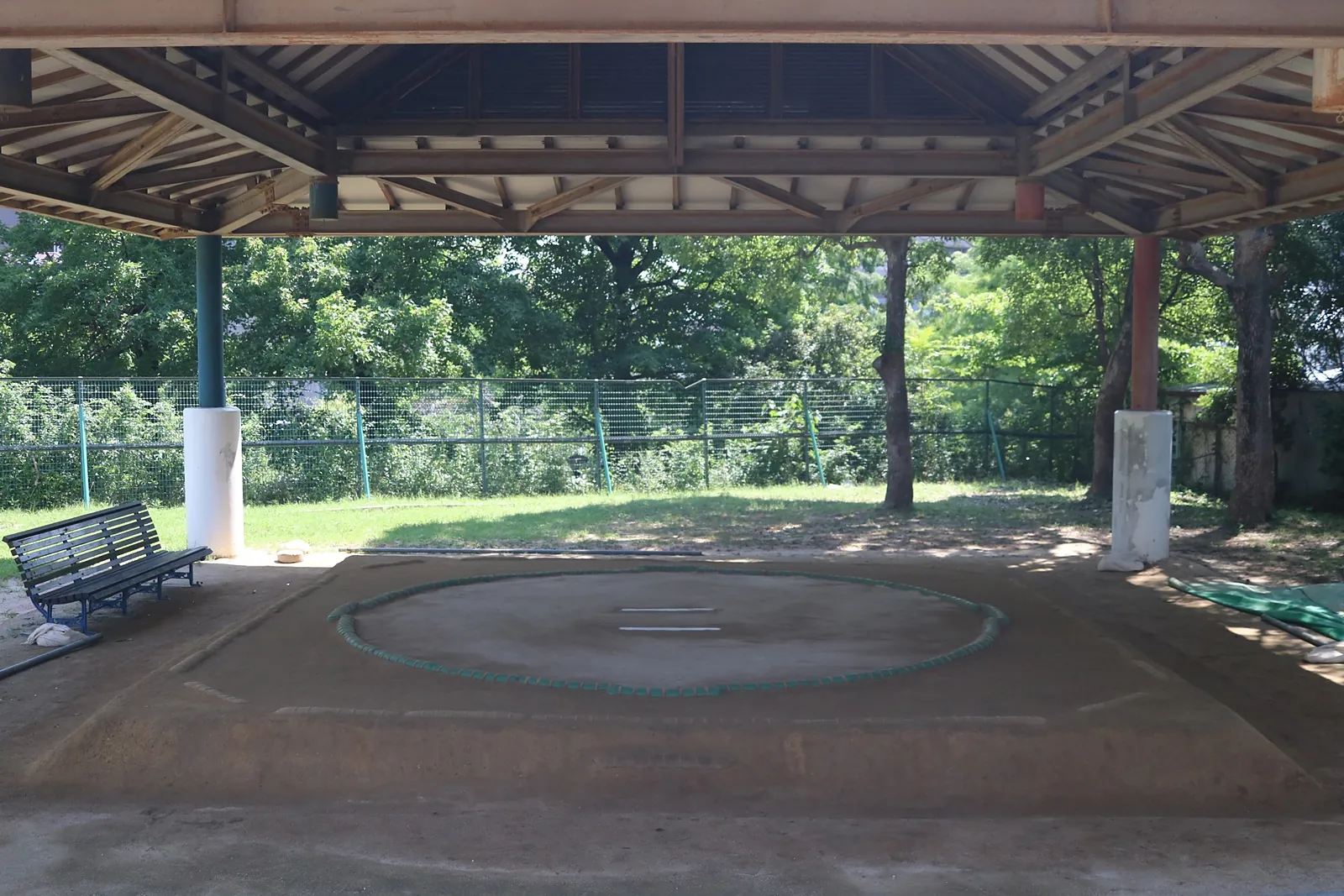
Morning practice is the other thing people ask about. Every stable trains from early in the morning in its own hall, and watching it is an extraordinary experience, close enough to hear the breathing. But a stable is a private home and a workplace, not a venue, and the days of wandering up and asking are largely over. Visits happen by arrangement, most now through a booked tour with a guide who knows the stable and the rules, and the rules are absolute. Arrive before it starts and stay until it ends, sit still and silent, no flash, no food, no phone calls, and no leaving in the middle. Treat it as a privilege that is extended and can be withdrawn. Around Ryogoku the restaurants serve chanko, the stew the wrestlers eat, and a bowl of it after an afternoon in the hall is the correct way to finish.
Planning around it
Let the calendar choose the city
Six fortnights a year. If your trip overlaps one, that is your tournament, whichever city it is in. Bending a route to reach Tokyo in May is easier than moving a tournament.
Buy on the sale date
About five weeks out, on the morning it opens. The dates are published two years ahead, so there is no excuse for missing it.
Pick the day by what you want
Early days are calmer and cheaper. The last two or three are where the title is decided and the hall is full and loud. The middle weekend is the busiest of all.
Base yourself near the hall
For Tokyo, the Ryogoku and Asakusa side puts you a short walk or one stop away, and the morning practice tours start from there too.
Common questions
Can I buy a ticket on the day?
Do not count on it. Popular days sell out weeks ahead and whole tournaments have sold out entirely. Buy on the official sale date.
How long should I stay?
Arrive by 15:00 and stay to the end at around 18:00. That covers the top division's ring entering, the yokozuna and every bout that matters.
Can I visit a stable to watch practice?
Only by arrangement, and in practice that means a booked tour. Stables are private, the etiquette is strict, and a visitor who breaks it closes the door for the next one.
Is it worth seeing outside Tokyo?
Yes. The sport is the same and the crowds are their own. Osaka in March in particular is easy to build a trip around.