This page has been translated from Japanese. If anything is unclear, please get in touch.
Prefecture Guide  ·  Kyushu Region
福岡県

Fukuoka

The gateway to Kyushu and its largest city, with tonkotsu ramen and a hundred night food stalls, the shrine of the god of learning at Dazaifu, a canal town poled by boat, the retro port of Mojiko on the straits, and an airport five minutes from the heart of Hakata.

The prefecture

Ramen, shrines and the gateway to Kyushu
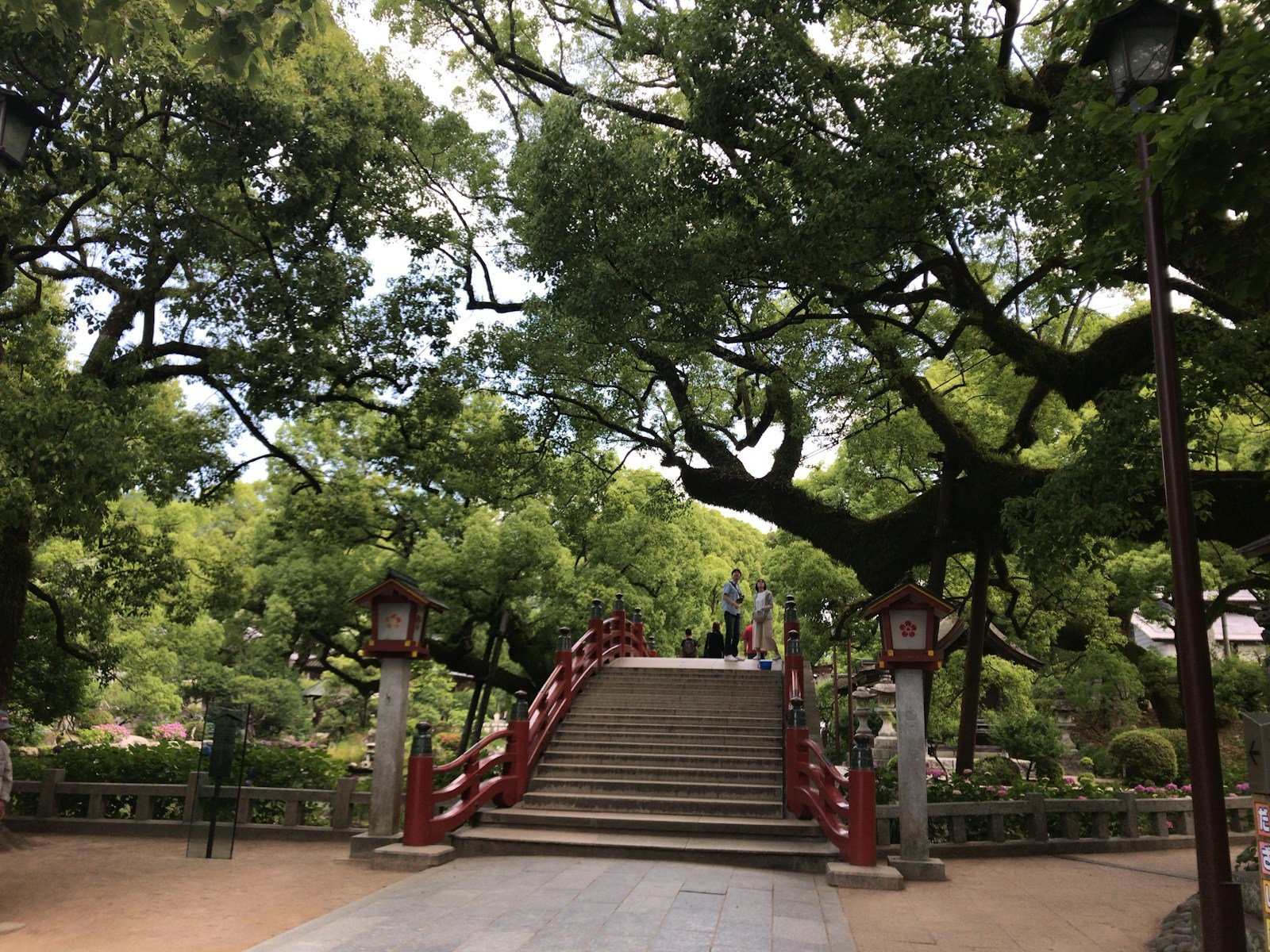
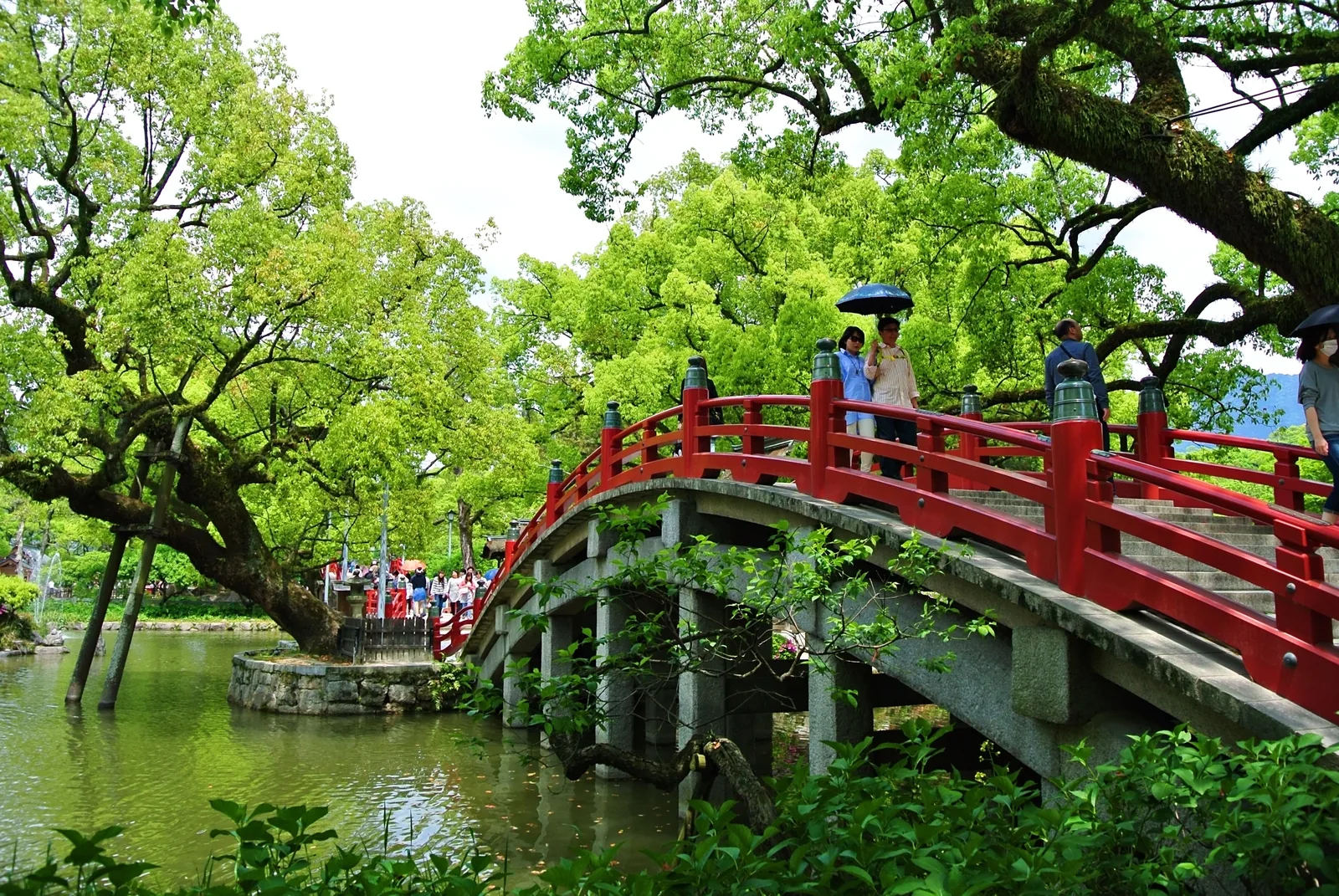
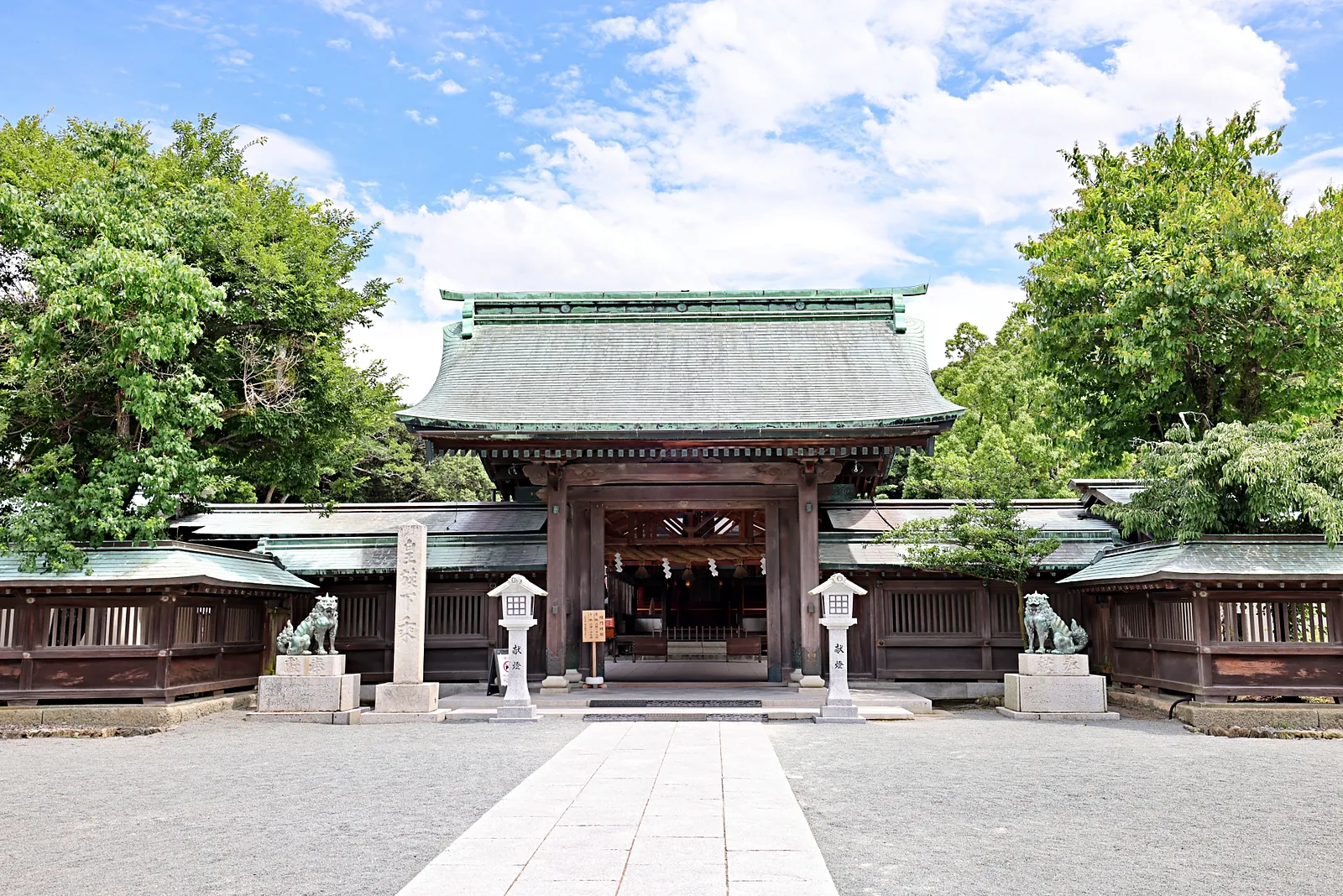
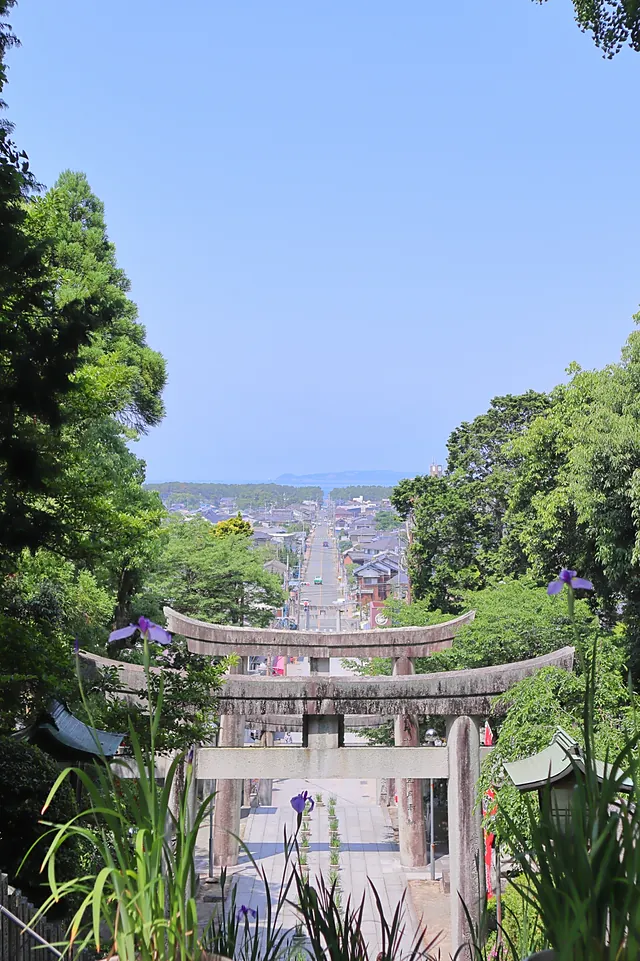
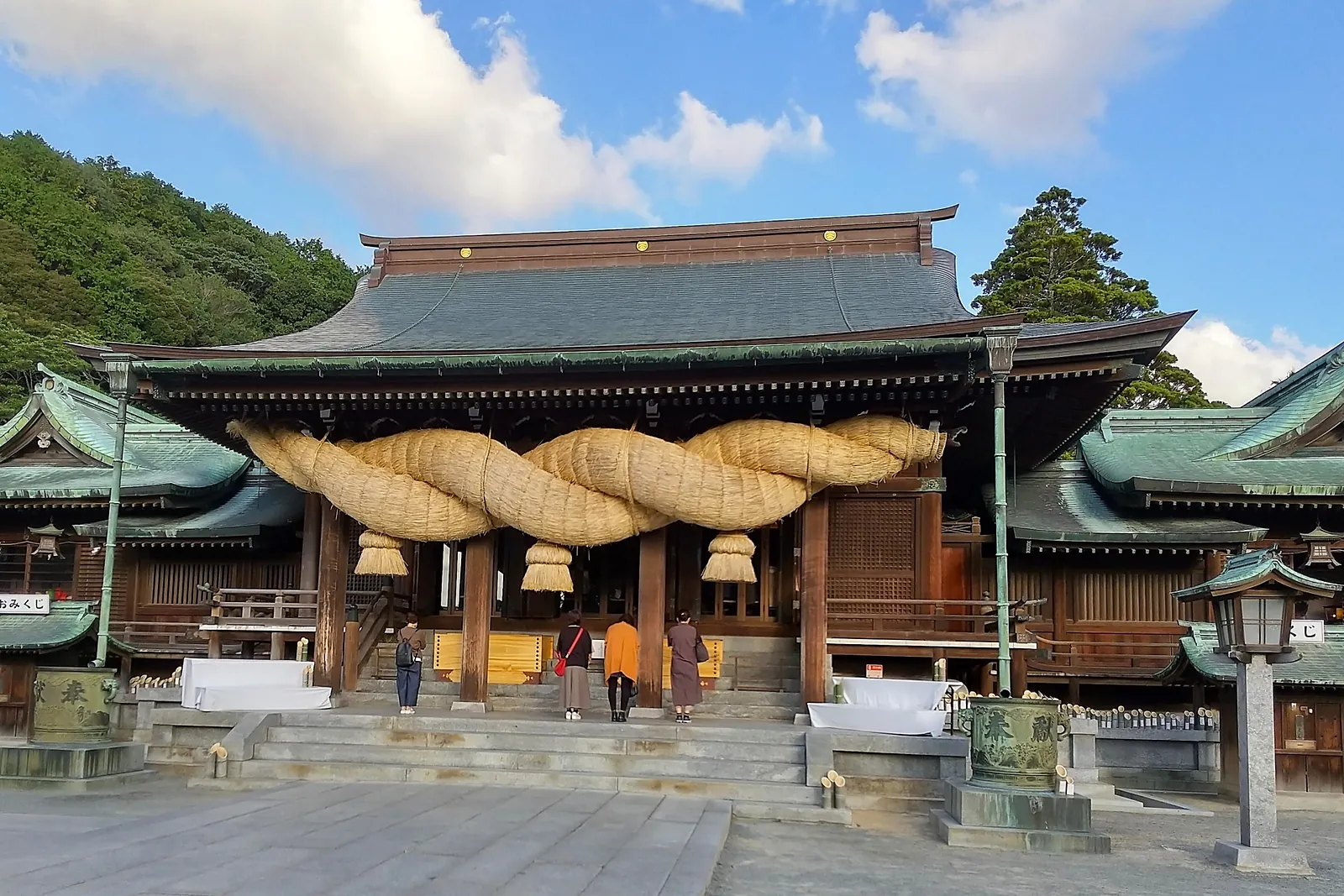
The arched bridge under camphor trees at Dazaifu Tenmangu
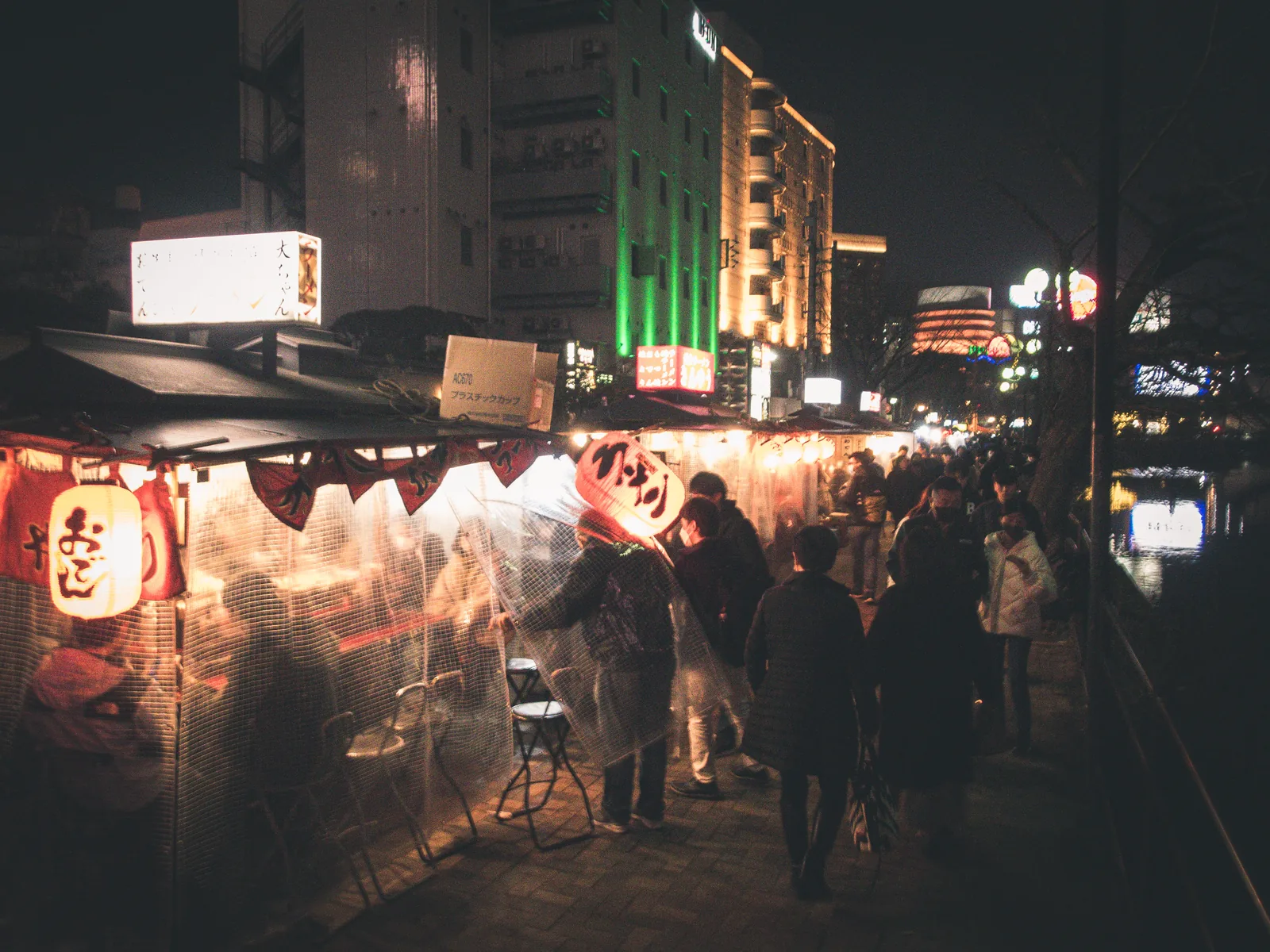
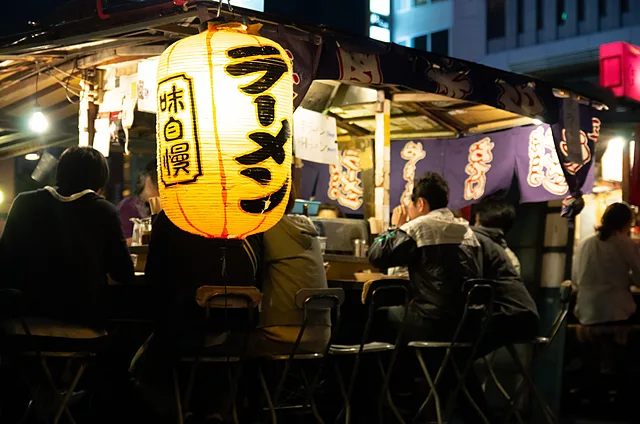
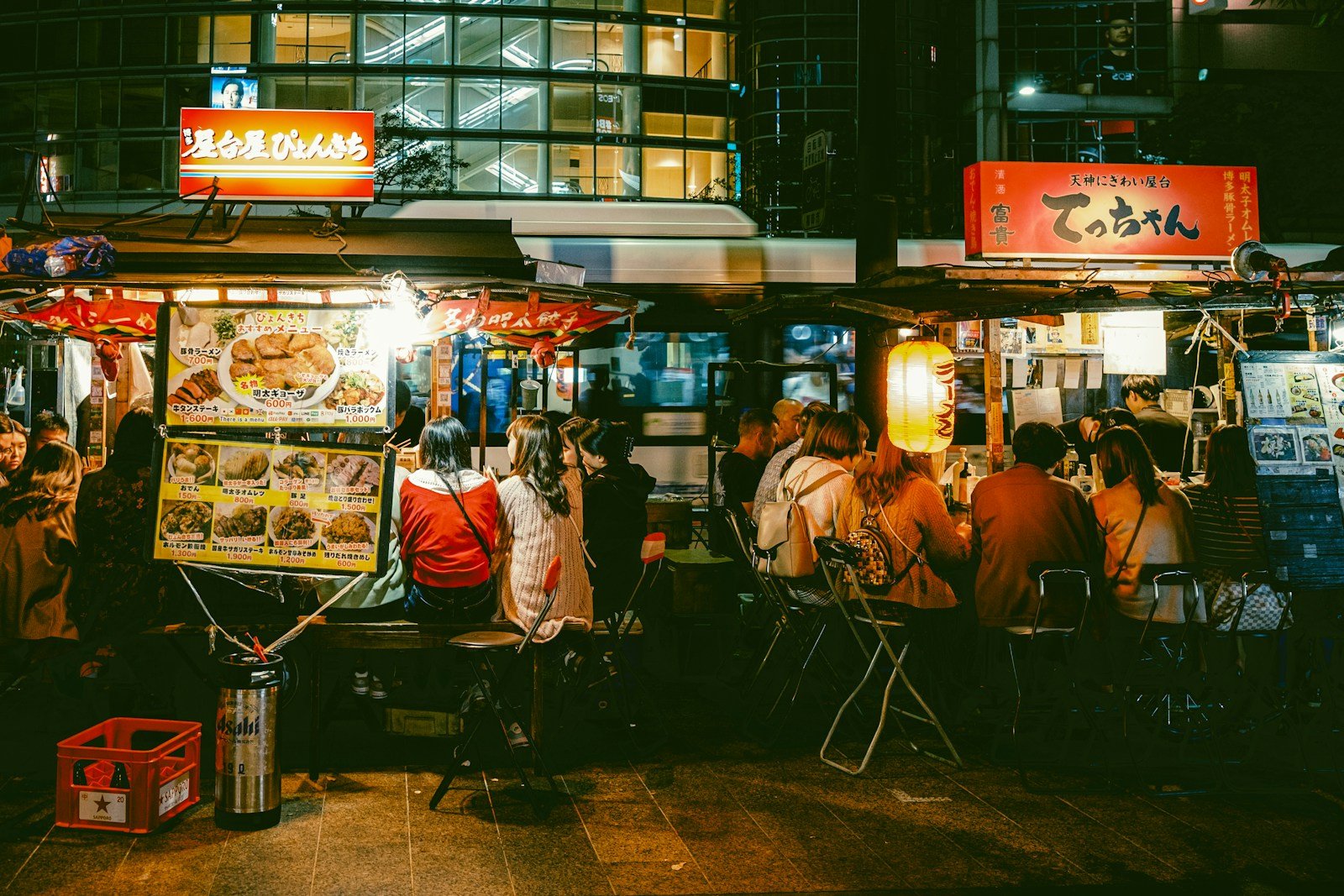
Diners crowding a yatai food stall in Tenjin at night
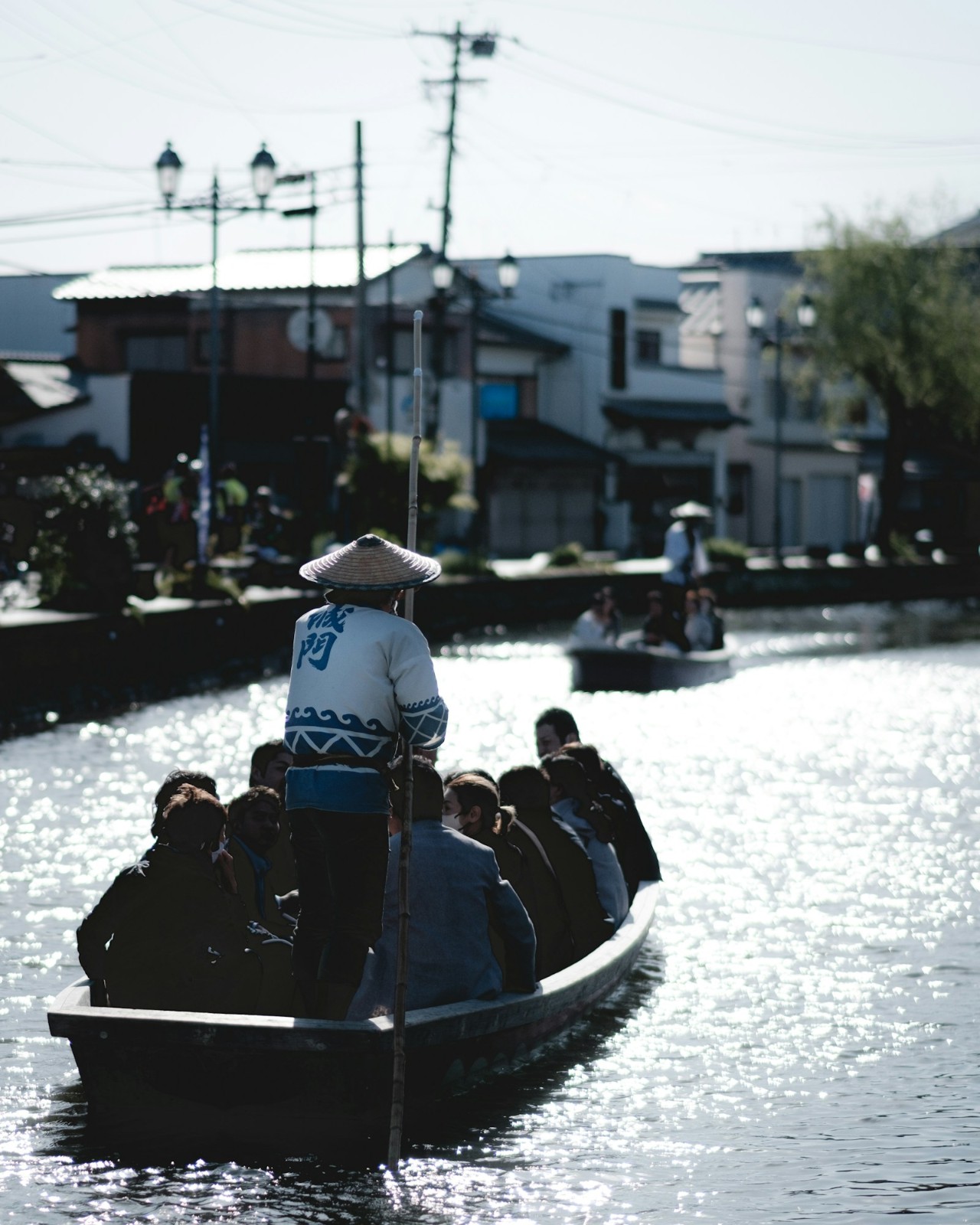
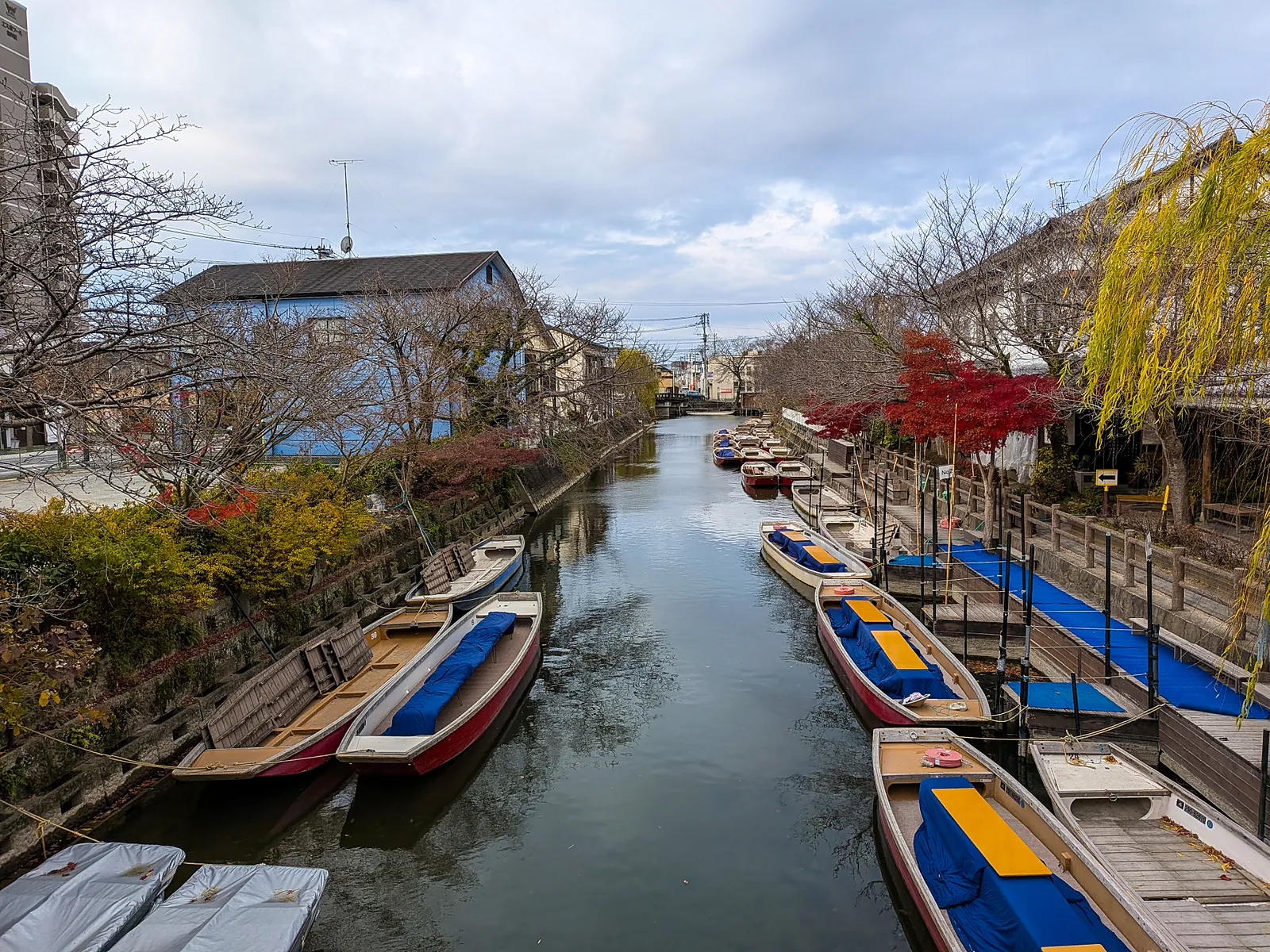
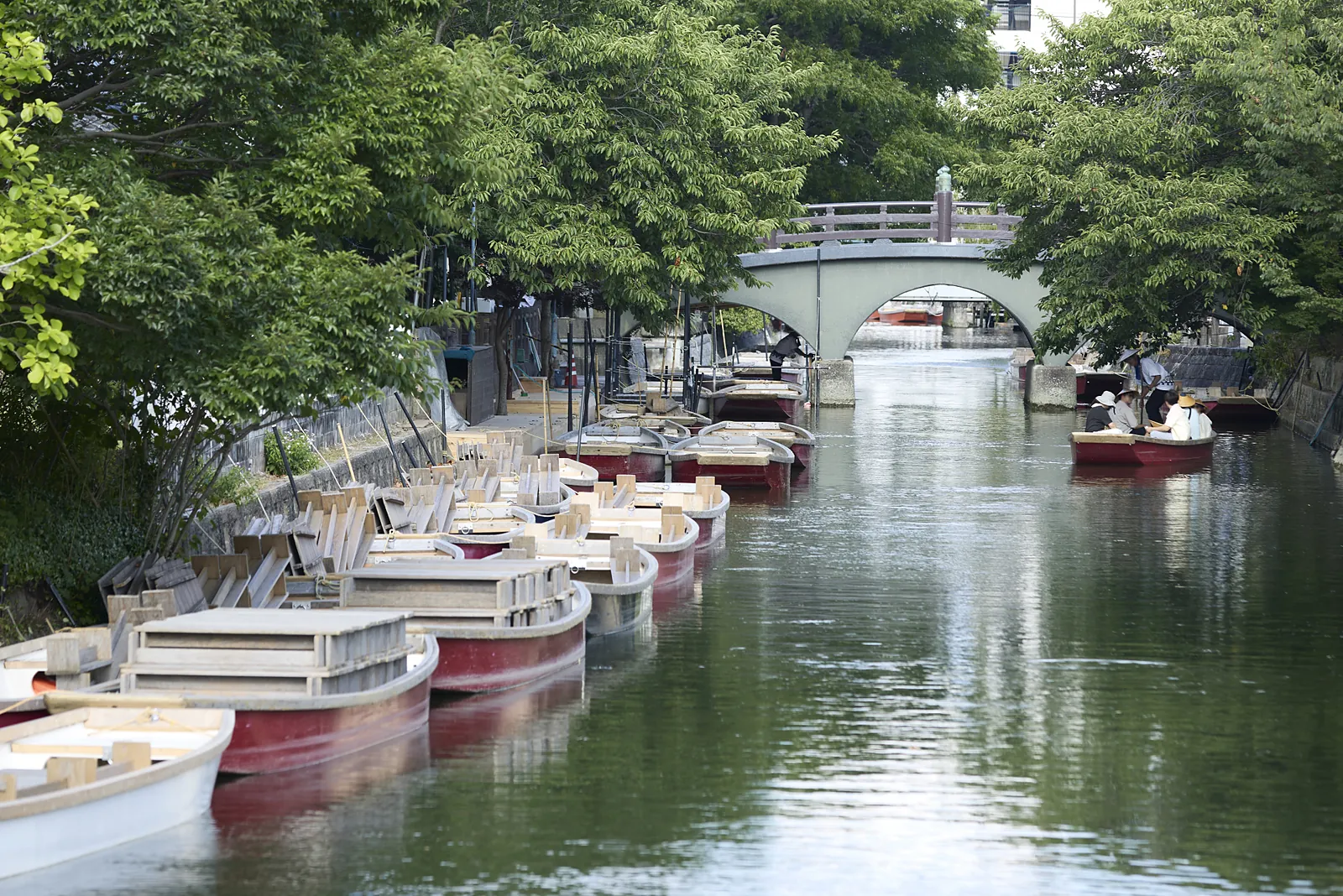
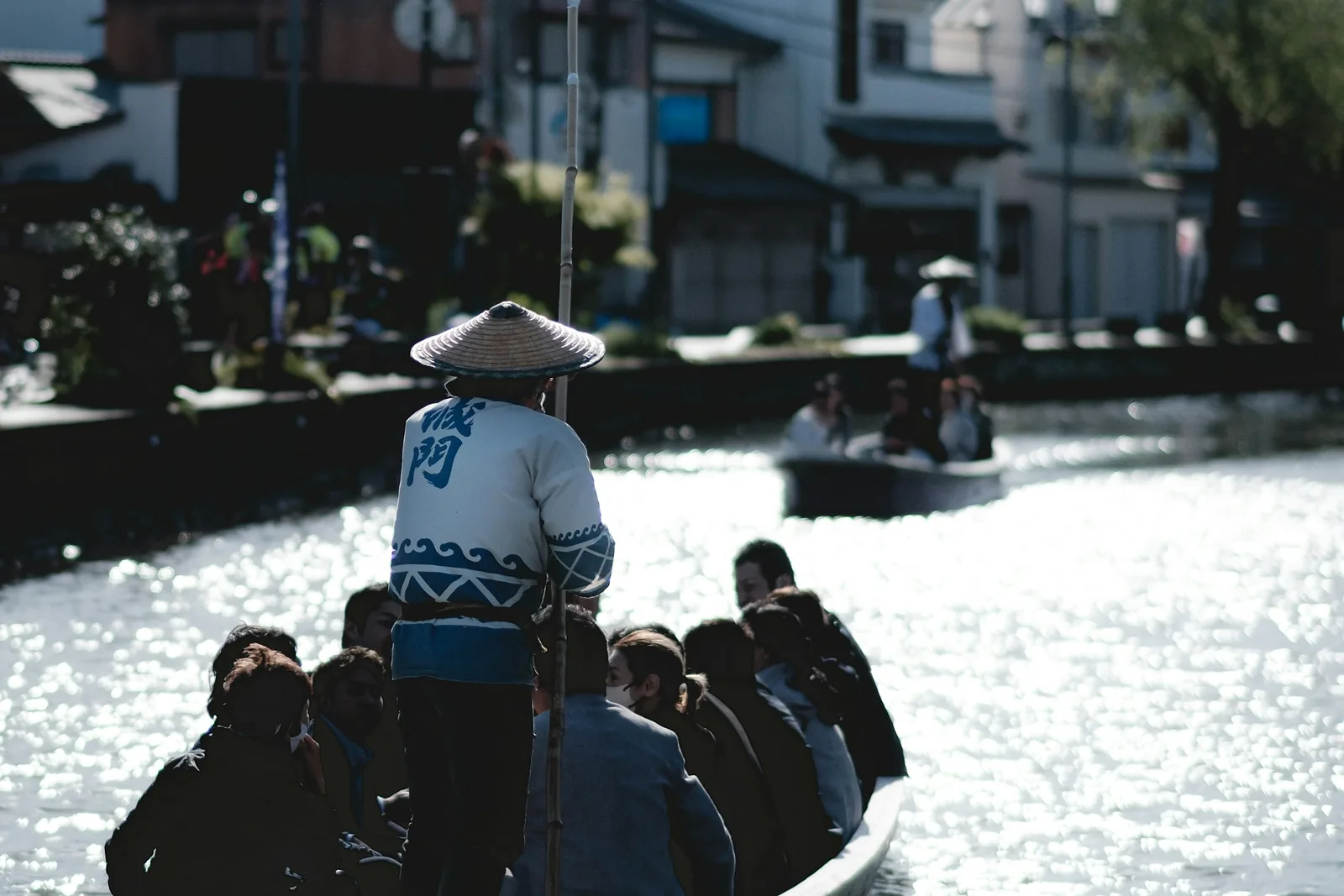
A boatman poling a punt along the canals of Yanagawa

Fukuoka sits at the northern tip of Kyushu, the largest city on the island and its gateway from Honshu. Fukuoka City, the old port of Hakata and the downtown of Tenjin, lies at the centre on the bay, Dazaifu and the canal town of Yanagawa on the southern plain, Kurume and the tea country of Yame further south, the Itoshima coast to the west, and Kitakyushu and the Mojiko port at the northern end across the Kanmon Straits from Honshu.

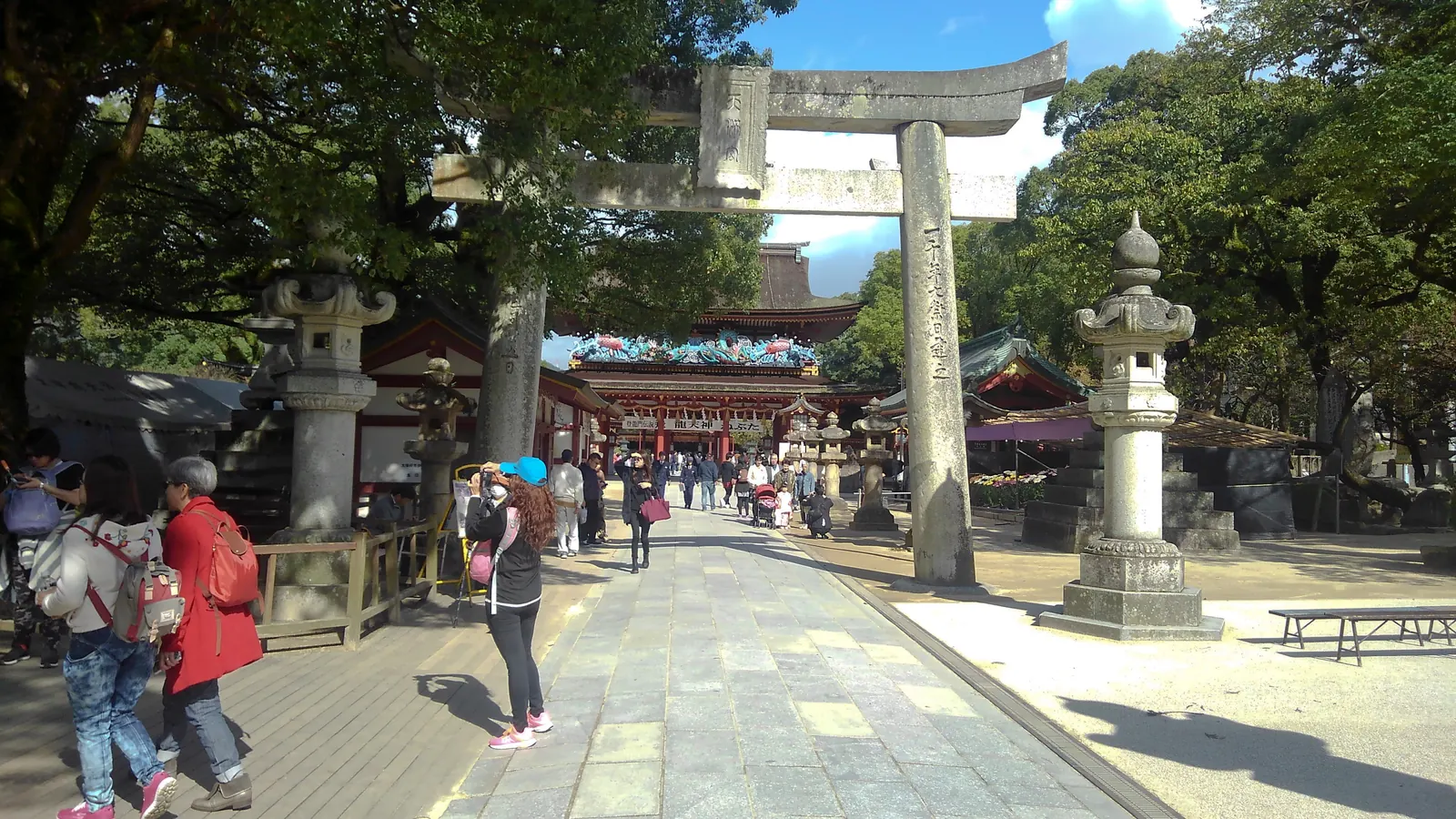
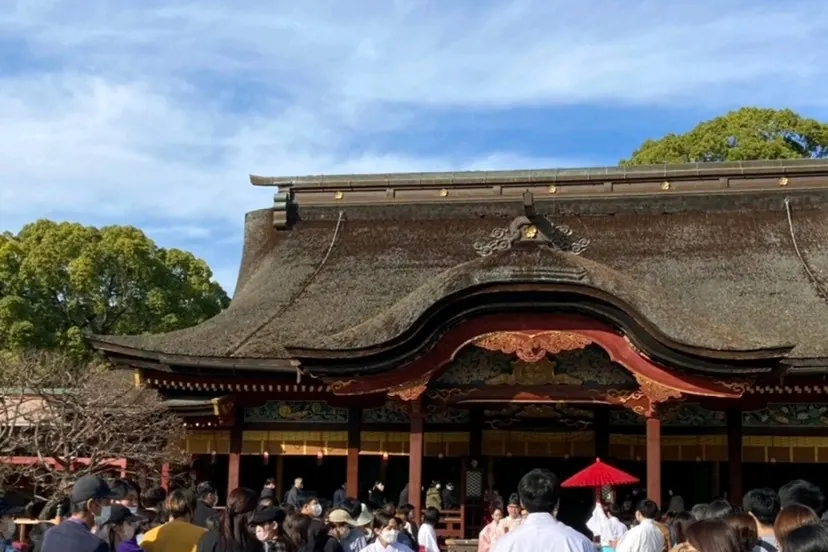
Its draw is the food and the ease of it. Fukuoka is the home of Hakata tonkotsu ramen and the yatai stalls that light up the riverbanks at night, of mentaiko and motsunabe and the freshest seafood, and Dazaifu Tenmangu draws ten million visitors a year to the god of learning. Hakata is the rail hub of the island, where the shinkansen from Honshu meets the line south, and the airport is five minutes from the centre by subway.

The four seasons

Explore Kyushu by season

Fukuoka is the gateway to the Kyushu region, the warm island in the southwest, milder than Honshu and quick to feel spring. Choose a season to see what Kyushu looks like through the year, and where Fukuoka fits in.
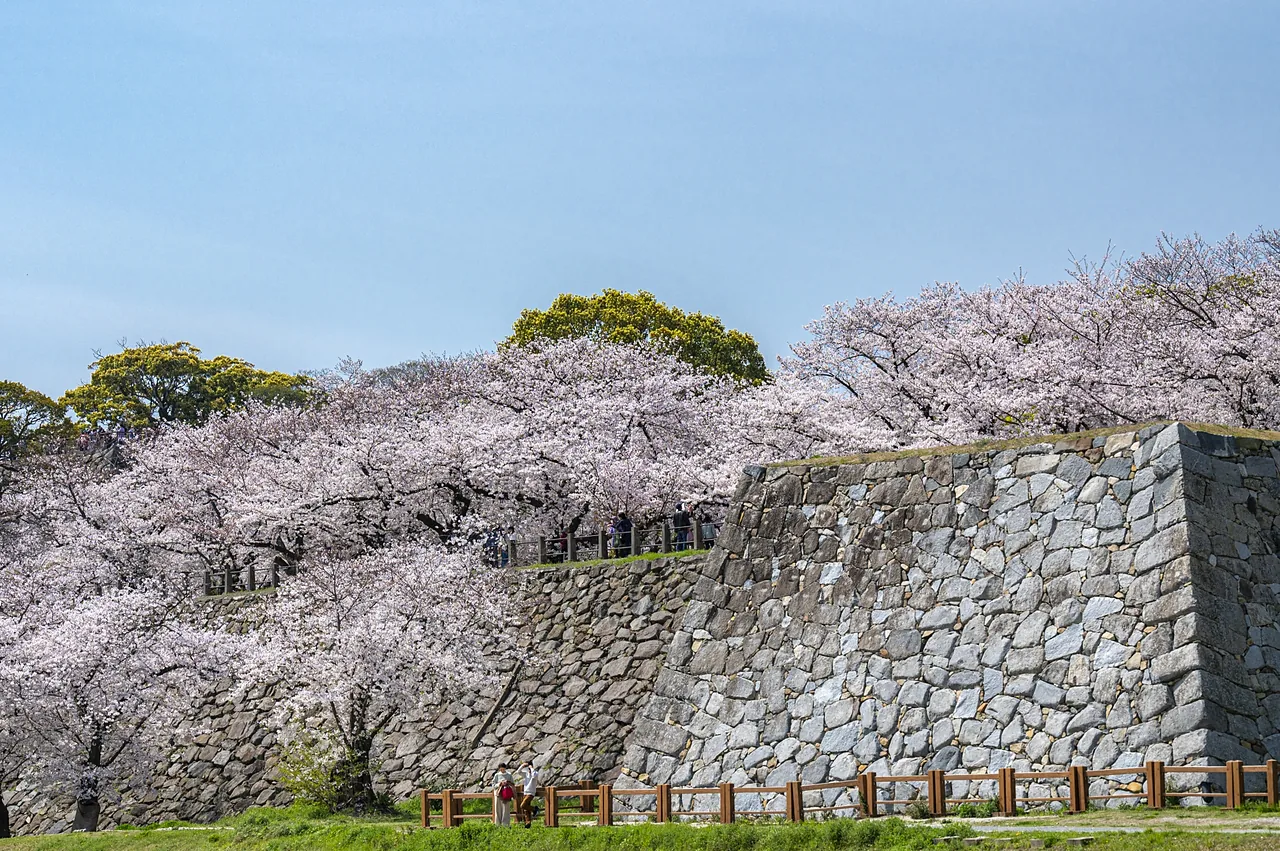
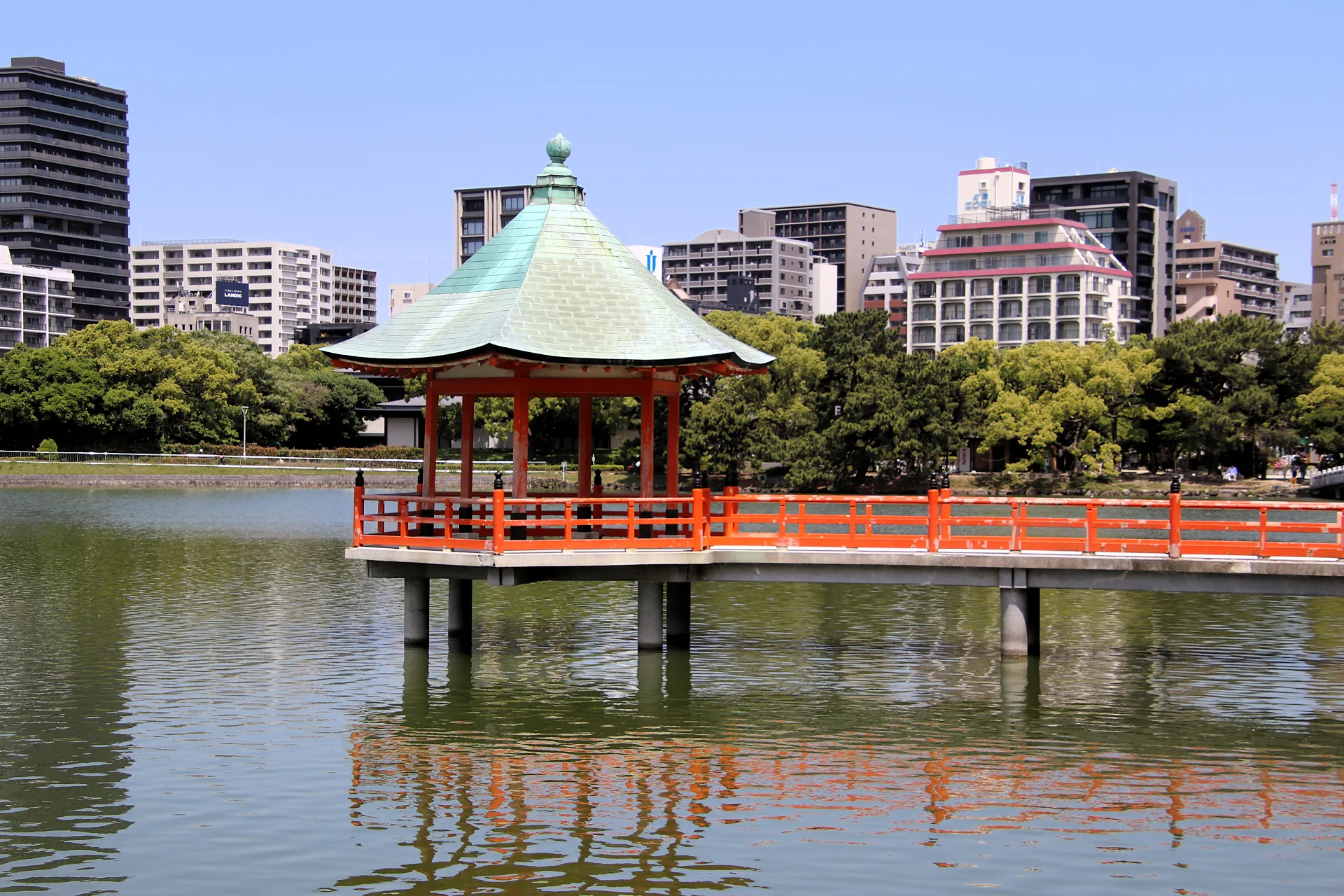
Cherry blossom at Maizuru Park, Fukuoka
春 Spring · Late February to April

Spring is early and mild, with the plum trees of Dazaifu in late February and cherry blossom at Maizuru Park and along the moats of Yanagawa, and the first of the year's festivals filling the streets.

Spring in Kyushu and Okinawa
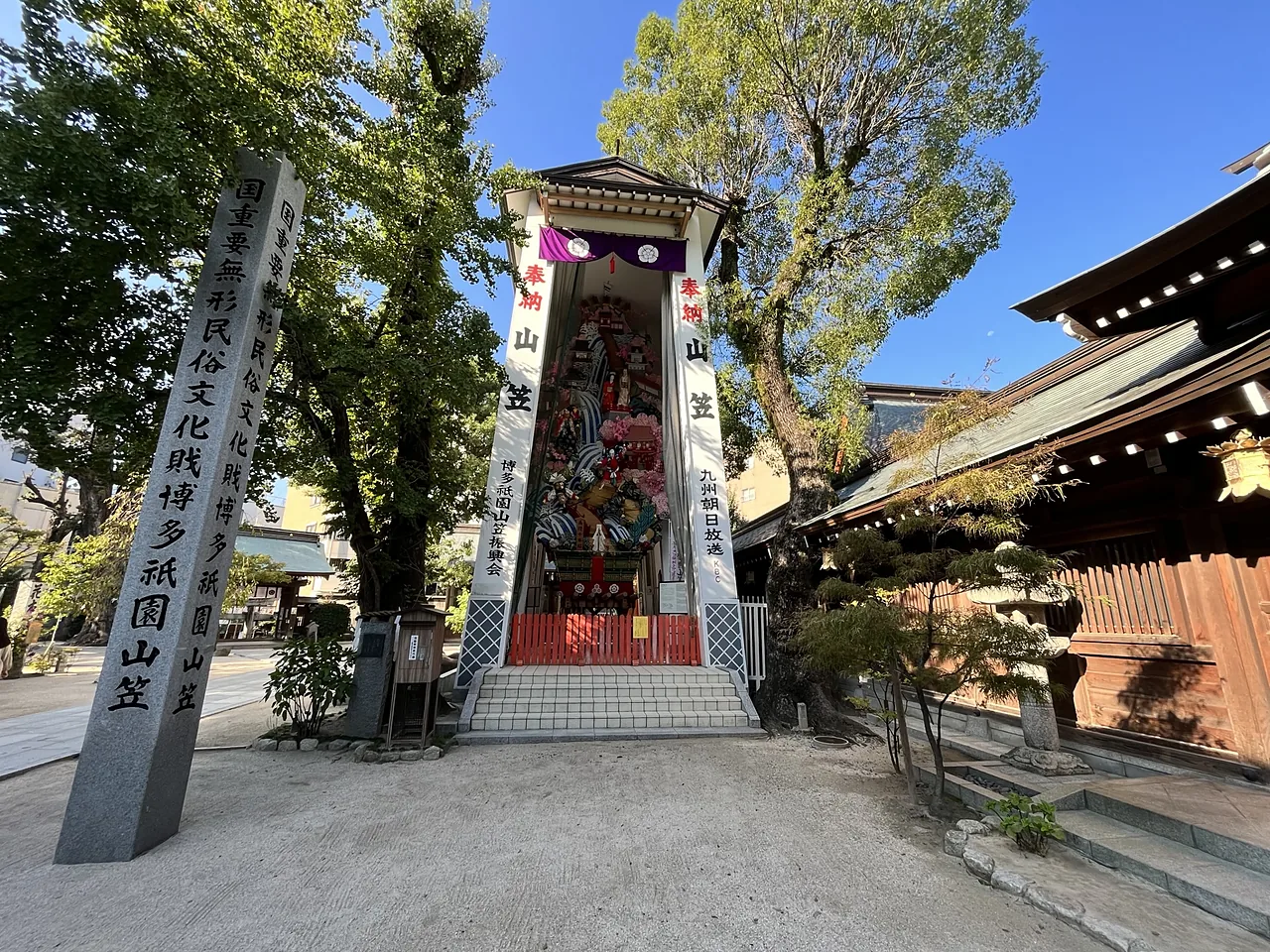
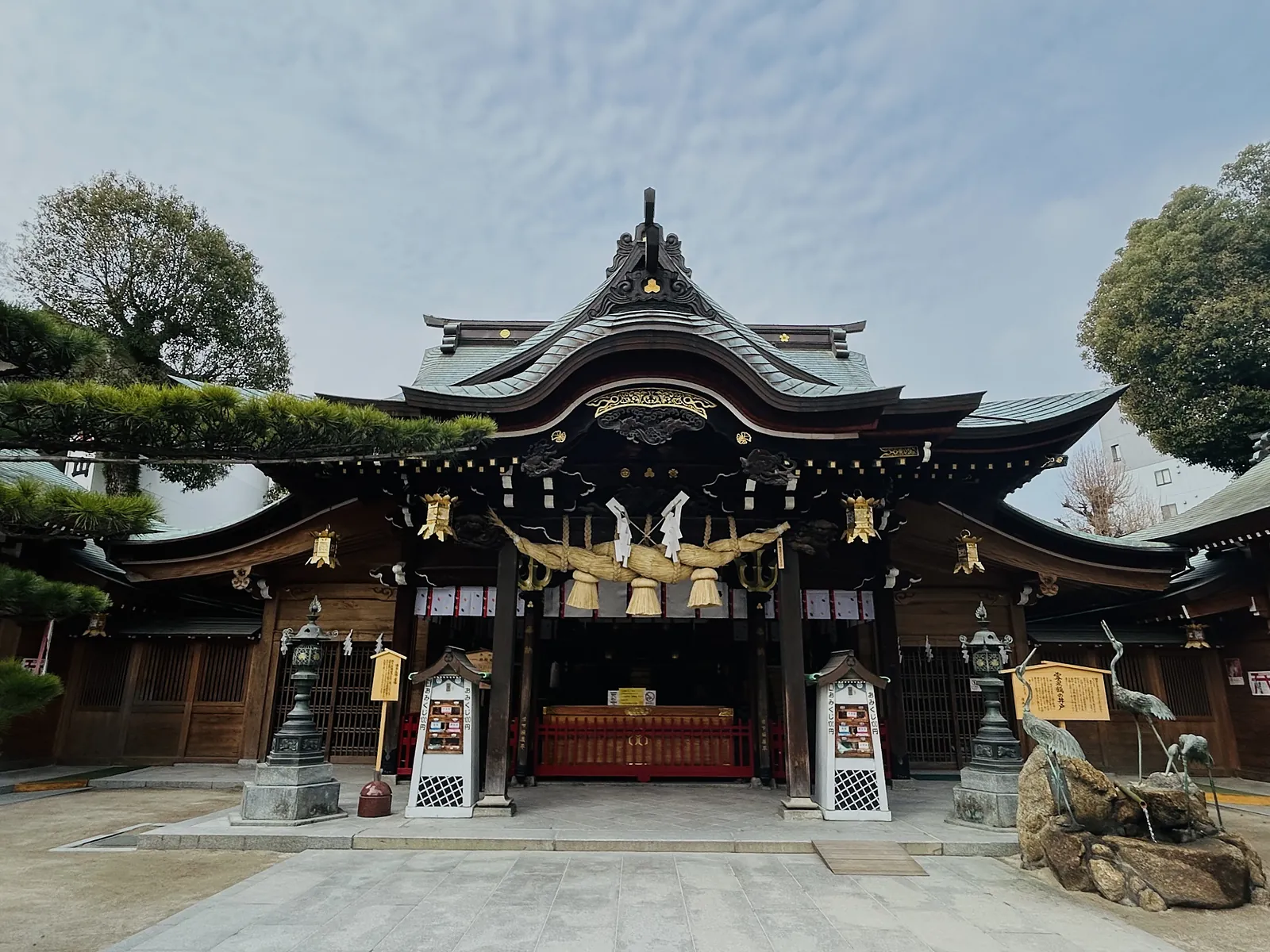
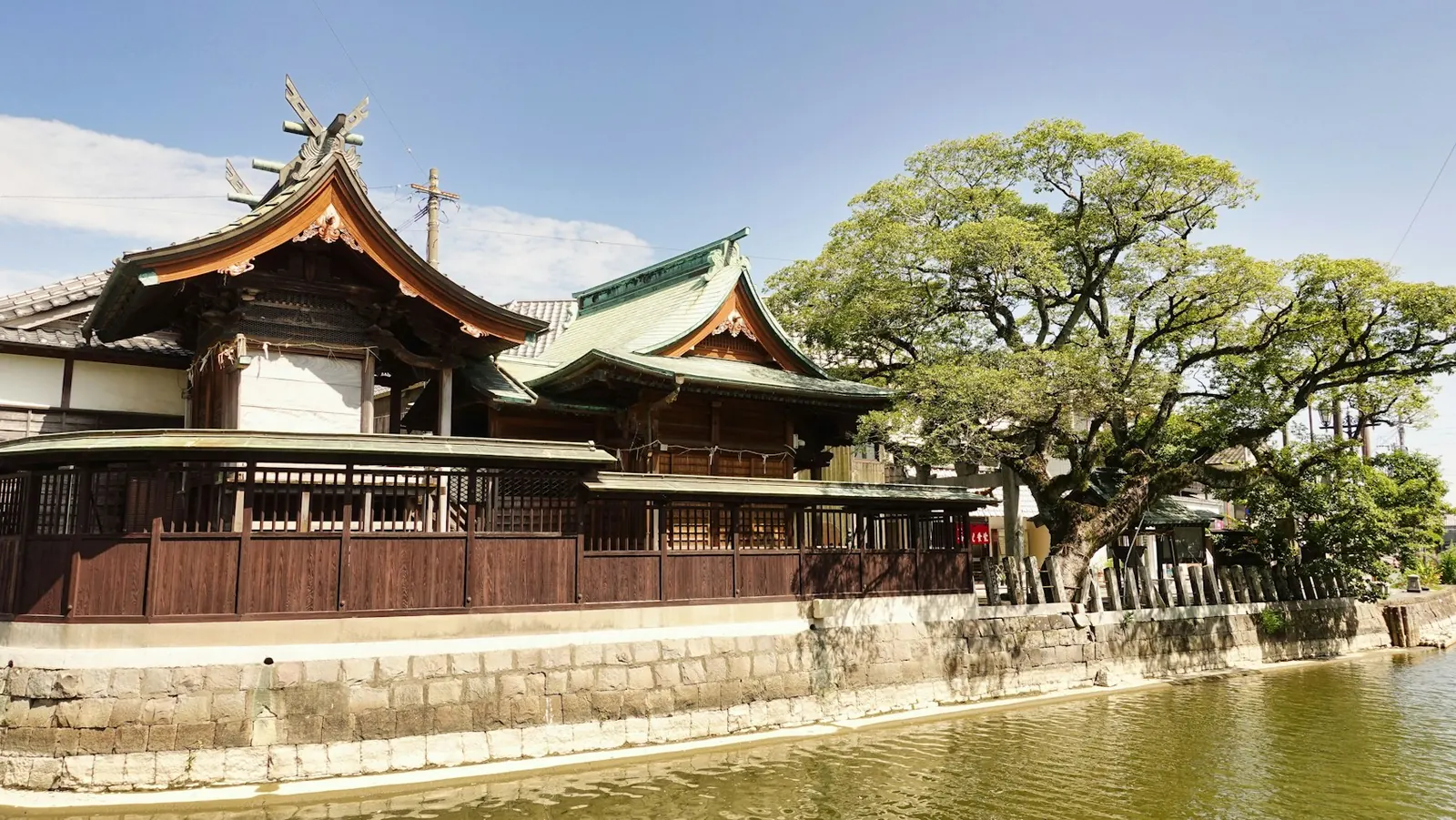
Decorated float at Kushida Shrine
夏 Summer · July to August

Summer brings the great Hakata Gion Yamakasa, when teams race carried floats through the city at dawn, the beaches of Itoshima and the bay, and cold mentaiko and goma-saba in the heat.

Summer in Kyushu and Okinawa
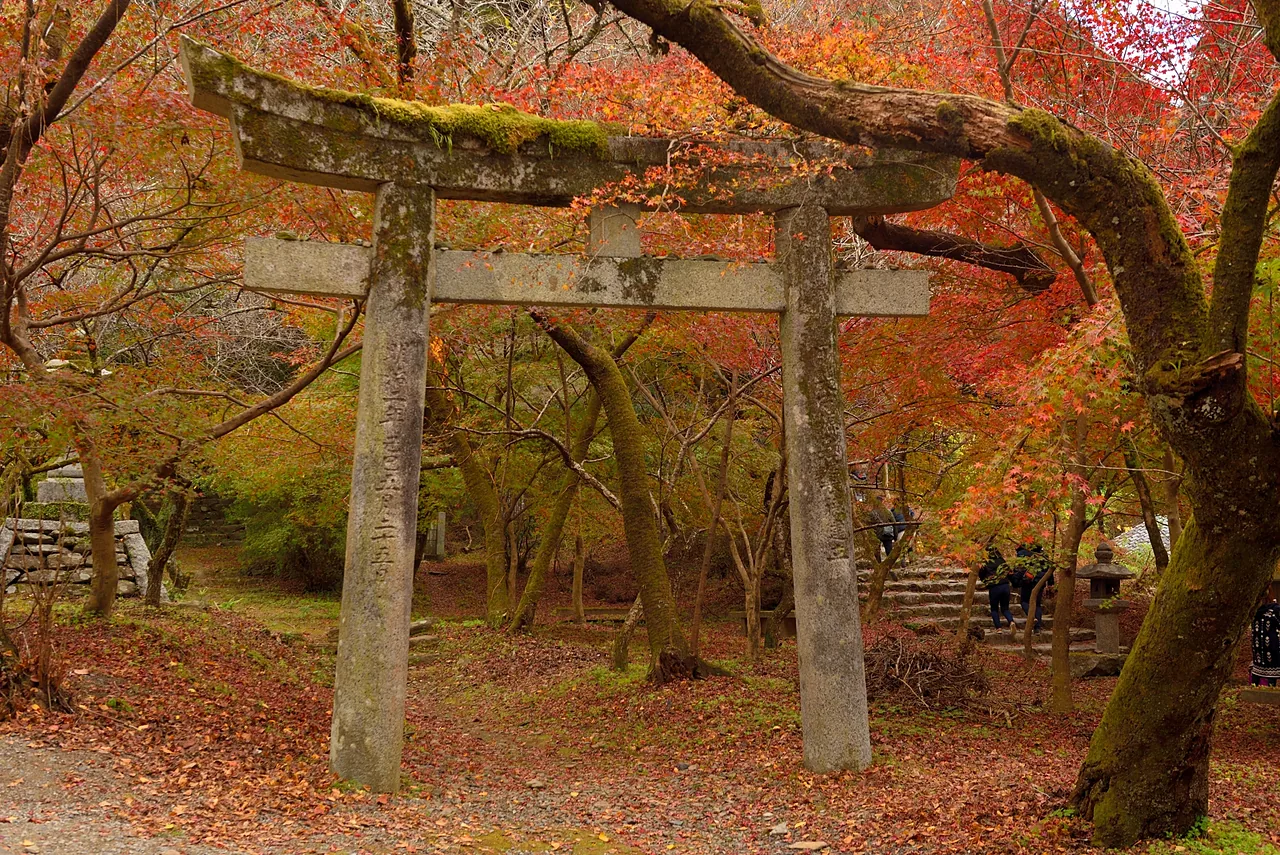
Autumn leaves at Akizuki Castle ruins
秋 Autumn · November

Autumn is the kind season, cool and dry, with foliage at Ohori Park and the Akizuki castle town, the persimmon and citrus harvest coming in, and the year's best weather for walking the city and the shrines.

Autumn in Kyushu and Okinawa
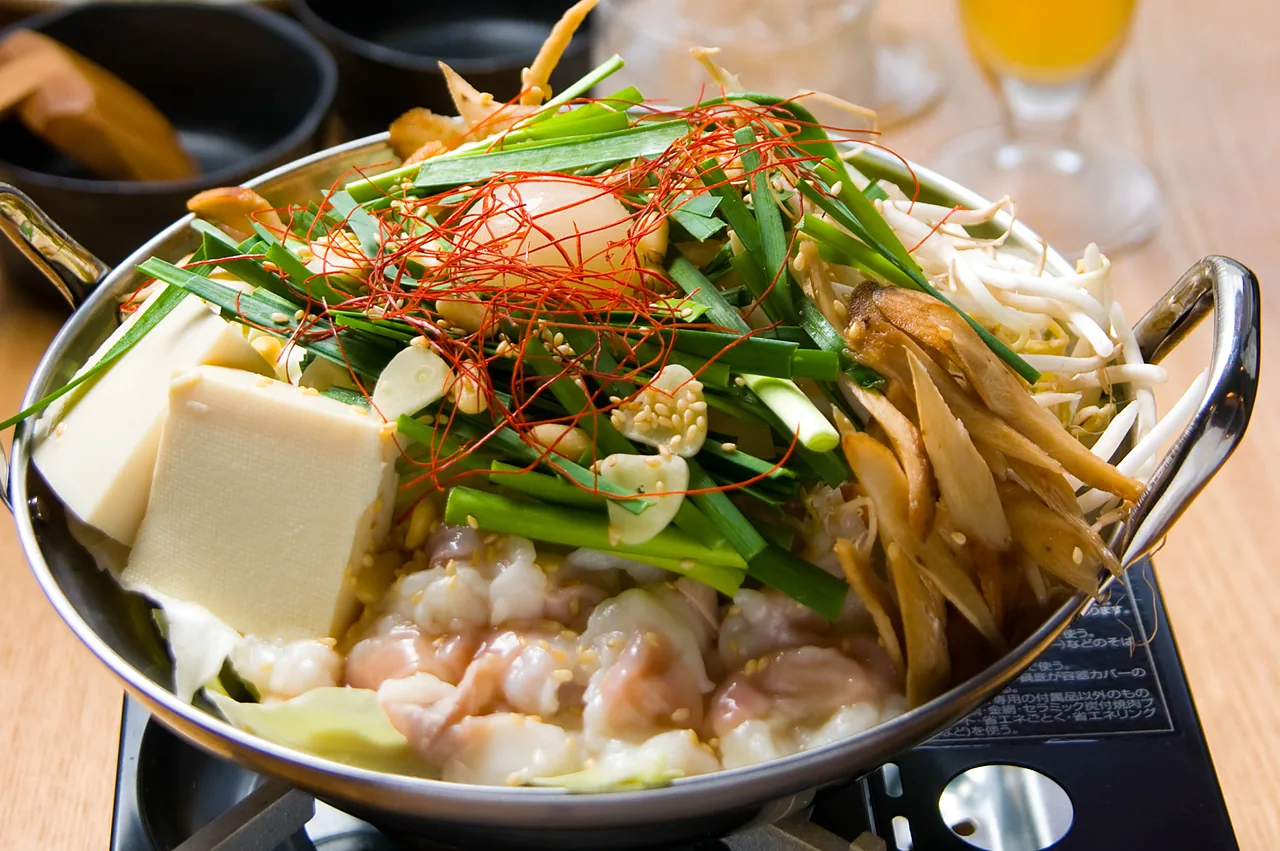
Motsunabe hotpot
冬 Winter · December to February

Winter stays mild on the island, the season for motsunabe and mizutaki hotpots, for Itoshima oysters from the bay huts, and for the first sweet Amaou strawberries from the Fukuoka fields.

Winter in Kyushu and Okinawa
Experiences

Must-See in Fukuoka

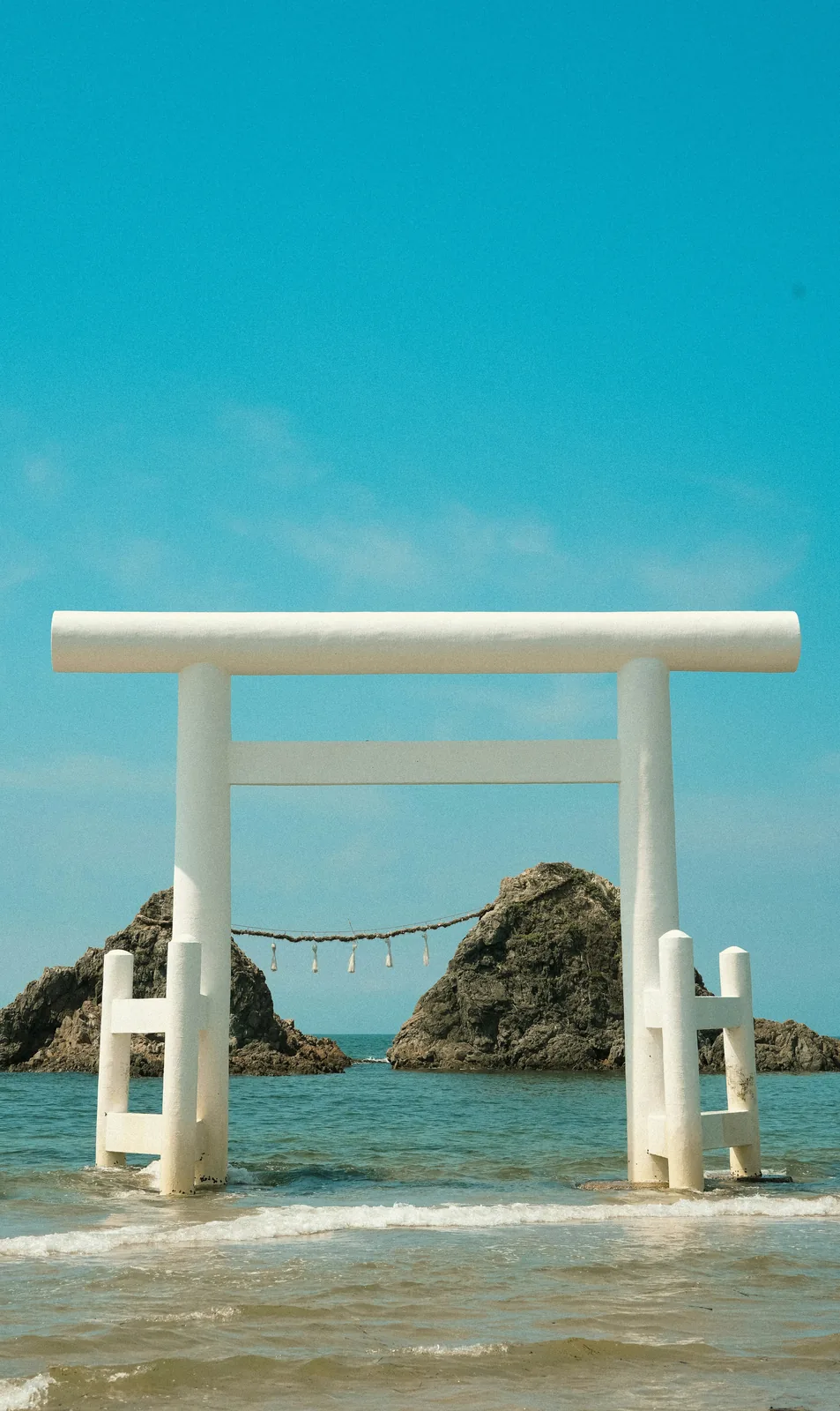
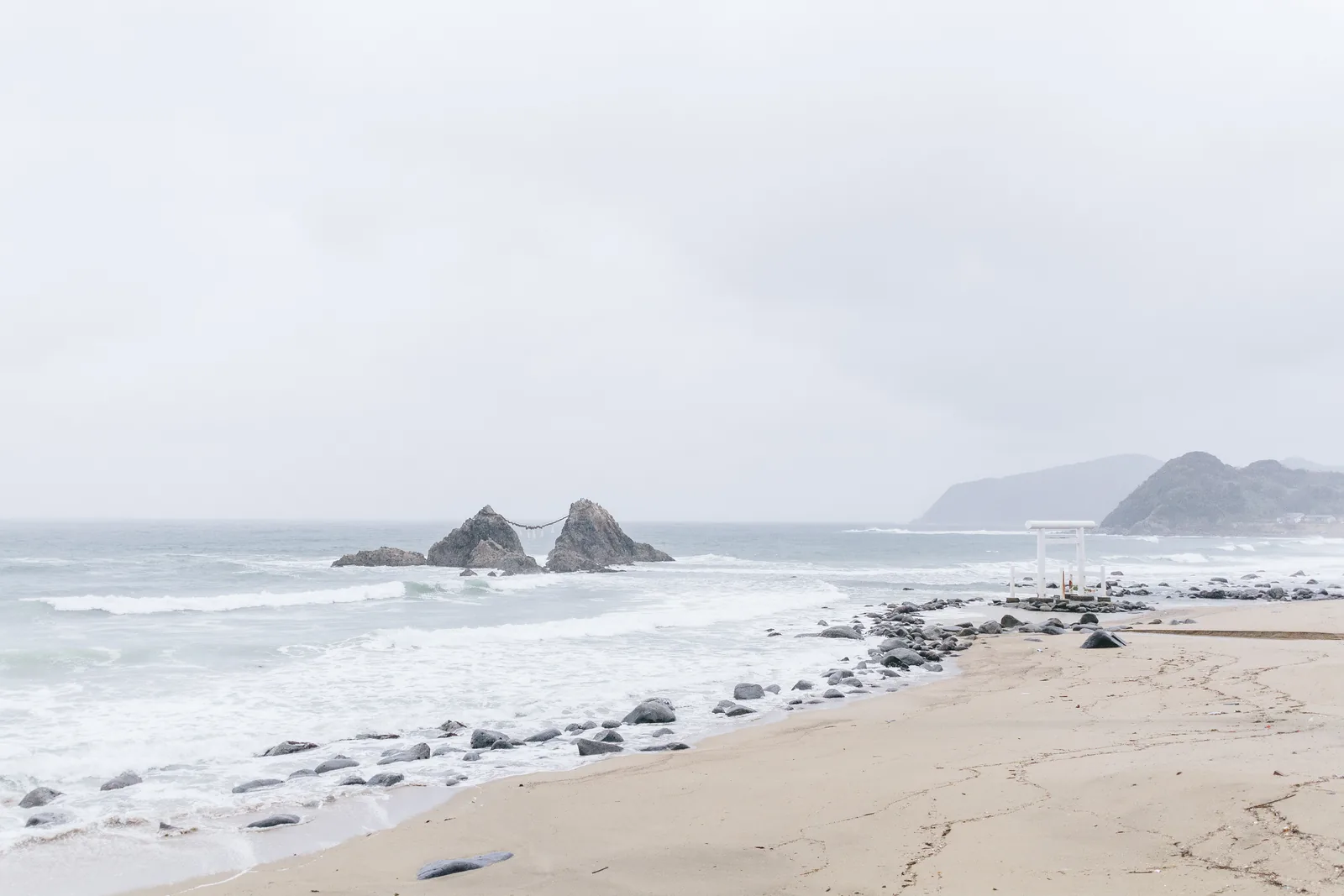
From the food stalls and arcades of the city and the coast of Itoshima to the great shrine of Dazaifu, the canals of Yanagawa and the retro port on the Kanmon Straits, here is where to start across the prefecture.

Transport

Getting to Fukuoka

Fukuoka is the gateway to Kyushu, the terminus of the shinkansen from Honshu and the start of the line south through the island. Its airport sits almost in the city centre, making it one of the easiest cities in Japan to reach.

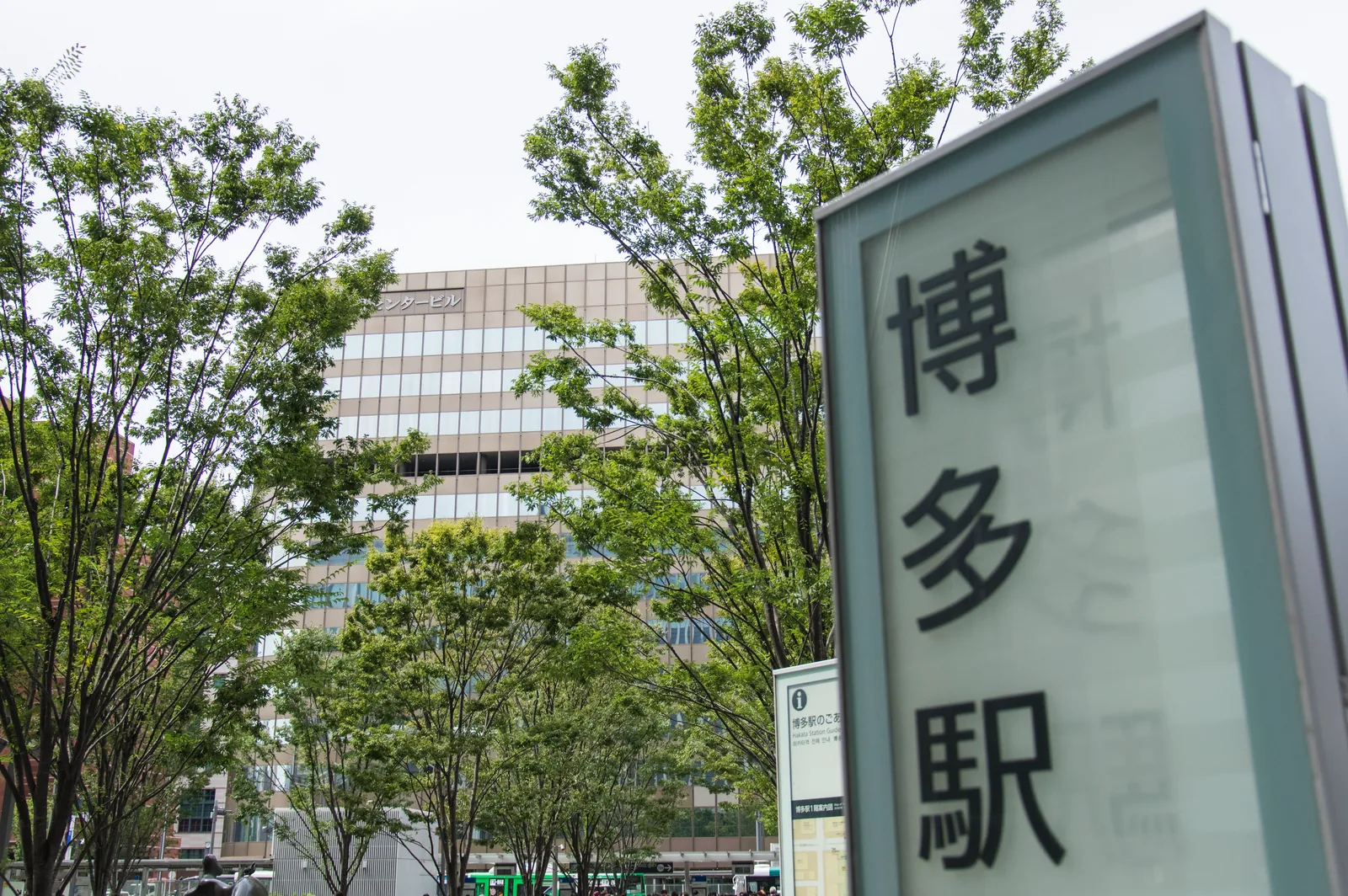
Hakata Station
Hakata Station

From Tokyo the Nozomi reaches Hakata in about five hours, though most people fly the two hour route to Fukuoka Airport. From Osaka the Sanyo Shinkansen takes about two and a half hours, and from Hiroshima about one. The airport is five minutes from Hakata by subway.

Tokyo to Fukuoka

By air

Fly from Haneda or Narita to Fukuoka Airport in about 1 hour 55 minutes, then the Kuko subway five minutes to Hakata, one of the busiest air routes in the world.

By rail

The Nozomi runs from Tokyo to Hakata on the Tokaido and Sanyo Shinkansen in about five hours, a long but simple ride straight to the city.

By ferry

The Ocean Tokyu Ferry sails from Tokyo to Shin-Moji in Kitakyushu in around 34 hours, a slow alternative across to Kyushu.

Osaka to Fukuoka

By rail

The Sanyo Shinkansen runs from Shin-Osaka to Hakata in about 2 hours 30 minutes on the Nozomi or Mizuho, the easiest way down from the Kansai.

By air

Fly from Itami or Kansai to Fukuoka in about 1 hour 15 minutes, then the short subway hop into the city.

Hiroshima to Fukuoka

By rail

The Sanyo Shinkansen runs from Hiroshima to Hakata in about an hour, a quick and frequent connection.

By car

The Chugoku and Kyushu Expressways cross the Kanmon Bridge into Kitakyushu and run on to Fukuoka, about three hours.

Sapporo to Fukuoka

By air

Fly direct from New Chitose to Fukuoka in about 2 hours 40 minutes, one of the longer domestic routes, then the subway into the city.

By rail

By rail it is the long haul down Honshu by shinkansen through Tokyo and Osaka, a journey of most of a day.

Okinawa to Fukuoka
By air

Fly from Naha to Fukuoka in about 1 hour 35 minutes, a frequent route, with Fukuoka the nearest big city on the mainland.

By ferry

Long distance ferries also run up from Naha through the islands to Kyushu, a slow sea route for those with time.

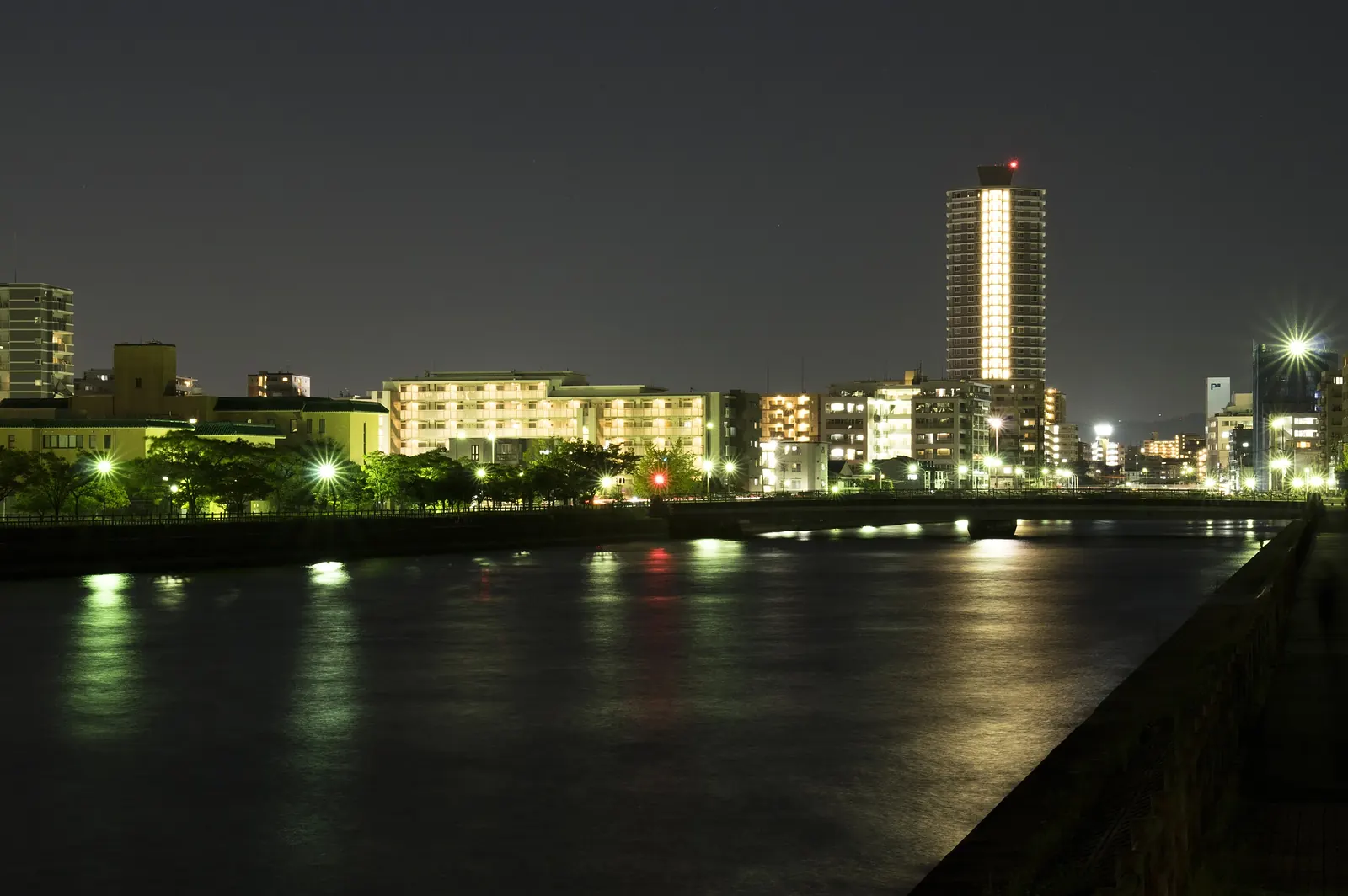
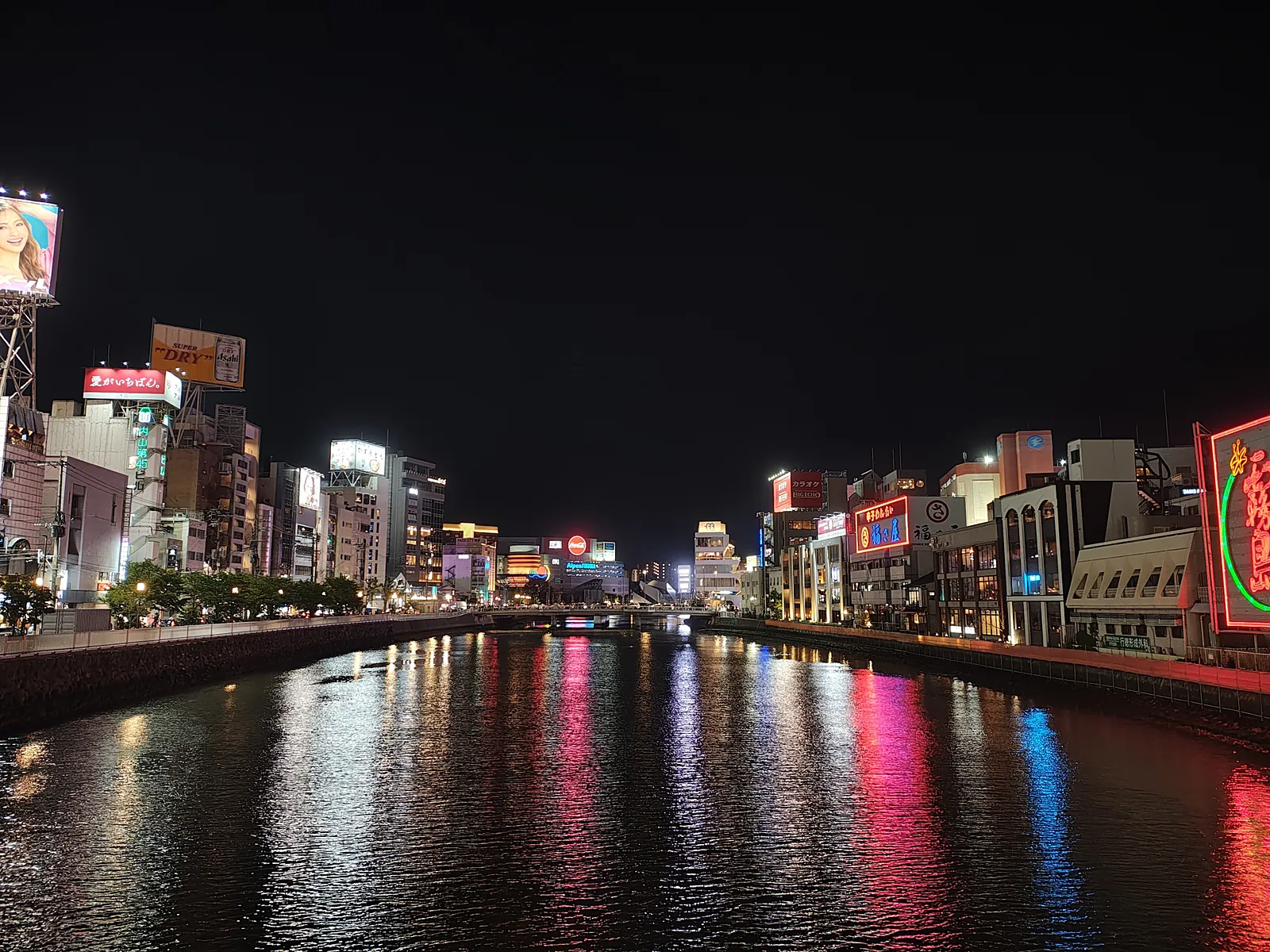
The river through Chuo ward at night
Fukuoka's river lights at night
Transport

Getting around Fukuoka

Fukuoka City is compact and walkable, with a three line subway and an airport almost downtown. Beyond the city the private Nishitetsu railway runs south to the shrine and the canal town, and fast trains reach the rest of Kyushu.

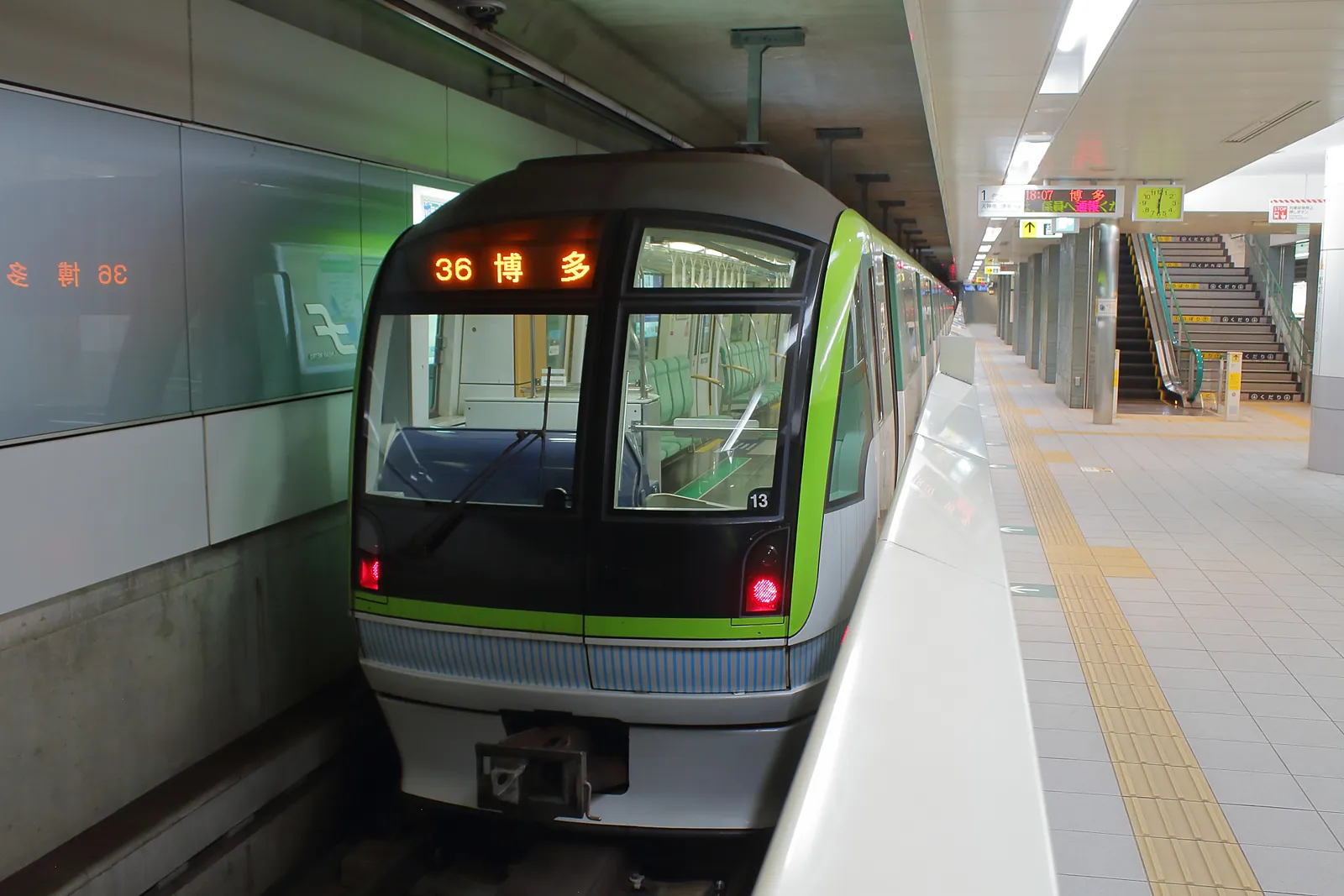
A Fukuoka subway train at Hakata
The Nishitetsu line runs south from Tenjin to Dazaifu and the canal town of Yanagawa.

The city subway has three lines, the red Airport Line linking the airport, Hakata Station, Nakasu and Tenjin in minutes.

The airport is unusually close, five minutes from Hakata and eleven from Tenjin, one of the quickest airport runs in the country.

The Nishitetsu railway runs south from Tenjin to Dazaifu and on to Yanagawa, Kurume and Yame, the easy way to the shrine and the canals.

Hakata is the rail hub of Kyushu, where the Sanyo Shinkansen from Honshu meets the Kyushu Shinkansen south to Kumamoto and Kagoshima.

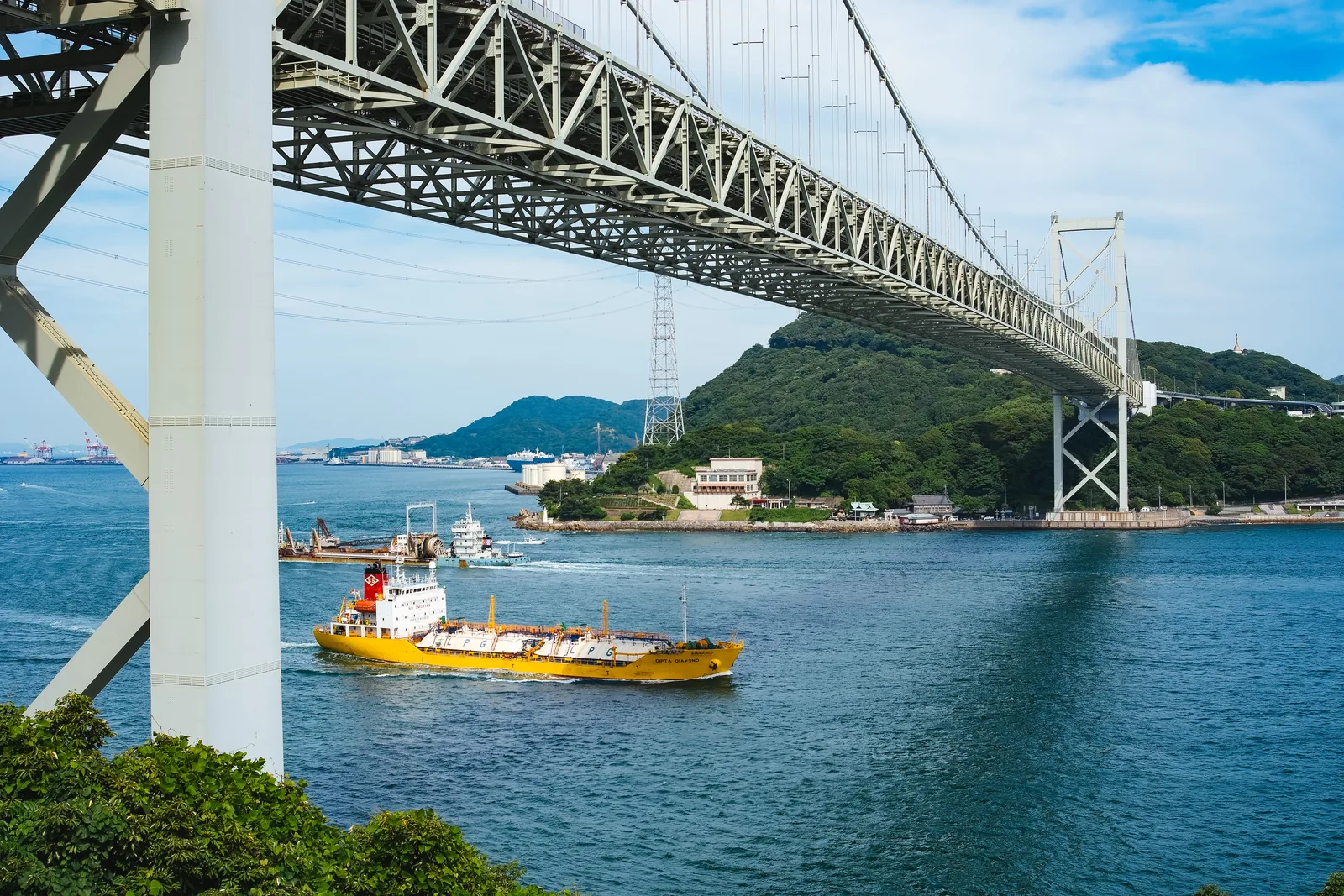
Kitakyushu and Mojiko sit at the northern tip, a short run up the Kagoshima line, where a bridge and a tunnel cross the Kanmon Straits to Honshu.

Accommodation

Where to stay

From the hotels around Hakata Station and the towers of Tenjin to the bayside resorts of Momochi, a lordly inn in Yanagawa and the retro port of Mojiko, here is where to stay in Fukuoka and how to book it.

No properties match this filter. Try another category.
Hakata
Hotel Luxury
Grand Hyatt Fukuoka
Best for: Families, in the centre
Inside Canal City Indoor pool Many restaurants
A polished luxury hotel built into the Canal City Hakata complex between the station and the river, with spacious rooms, an indoor pool and a spread of dining, central for the city and the yatai.
Hotel Mid-range
Hotel Okura Fukuoka
Best for: Couples, by the river
On the Naka River Health club Fine dining
An established upscale hotel in the Hakata Riverain complex on the Naka River, with an understated, modern feel, good dining and a health club, a short walk from Nakasu and the stalls.
Hotel Mid-range
Miyako Hotel Hakata
Best for: Families, by the station
By Hakata Station Comfortable rooms Good breakfast
A comfortable hotel beside Hakata Station, the shinkansen and airport subway hub, well placed for trains across Kyushu and an easy base for the city and the day trips.
Hotel Budget
Dormy Inn Premium Hakata Canal City Mae
Best for: Value, with a hot spring
Top-floor onsen Free night noodles By Canal City
A good value hot spring hotel by Canal City between the station and the river, with a top floor bath and the chain's free late night noodles, handy for Hakata and the yatai.
Hotel Budget
Hakata Tokyu REI Hotel
Best for: Value, near the station
Good value Near Hakata Station Simple rooms
A simple, affordable hotel near Hakata Station, a practical base for the shinkansen, the airport subway and a city built for eating.
Tenjin & the Bayside
Hotel Luxury
The Ritz-Carlton Fukuoka
Best for: Couples, the top address
High in Daimyo Garden City Sixteenth floor spa City and bay views
The most luxurious hotel in the city, high in the Daimyo Garden City tower in Tenjin, its design drawn from Hakata textiles, with a sixteenth floor spa and pool and views over the bay, opened in 2023.
Hotel Luxury
Hilton Fukuoka Sea Hawk
Best for: Families, on the bay
On Hakata Bay Pools and spa Family resort
A landmark sail shaped tower on the Momochi seafront beside the baseball dome, with wide Hakata Bay views, pools and a spa, the big resort style hotel of the city, good for families.
Hotel Mid-range
Solaria Nishitetsu Hotel Fukuoka
Best for: Couples, in Tenjin
By Nishitetsu Tenjin Station Kyushu crafts in the rooms Shopping at the door
A contemporary hotel in the heart of Tenjin connected to the Nishitetsu station, with Kyushu crafts through the rooms and the shopping and nightlife of the downtown at the door, well placed for Dazaifu and Yanagawa.
Hotel Mid-range
Nishitetsu Grand Hotel
Best for: Couples, central Tenjin
Central Tenjin Several restaurants Stylish rooms
A long running hotel in central Tenjin with stylish rooms and a choice of restaurants, a comfortable base in the downtown for the city and the Nishitetsu trains south.
Hotel Budget
Richmond Hotel Fukuoka Tenjin
Best for: Value, in the downtown
Good value In Tenjin Reliable rooms
A reliable, good value hotel in the Tenjin downtown, close to the shopping arcades, the yatai and the Nishitetsu line out to the shrine and the canals.
Dazaifu, Yanagawa & Kitakyushu
Ryokan Luxury
Ohana
Best for: Couples, a lordly villa
A historic garden The Yanagawa lords' villa Eel and kaiseki
The former villa of the lords of Yanagawa, a stately inn set around a famous garden and pine shaded pond, with hot spring baths and the town's steamed eel, the grand stay of the canal town.
Ryokan Mid-range
Daimaru Besso
Best for: Families, a historic onsen
Futsukaichi hot springs Old garden grounds Over a century old
A historic hot spring ryokan at Futsukaichi Onsen near Dazaifu, in business well over a century, with rambling garden grounds and the old waters, a quiet base for the shrine south of the city.
Hotel Luxury
The Luigans Spa & Resort
Best for: Families, by the sea
On Hakata Bay Indoor and outdoor onsen Seaside resort
A Mediterranean style seaside resort on the bay by Uminonakamichi, with indoor and outdoor onsen baths, sea view rooms and a park and beach alongside, an easy coastal escape from the city.
Hotel Mid-range
Premier Hotel Mojiko
Best for: Couples, the retro port
On the Mojiko waterfront In the retro quarter Straits views
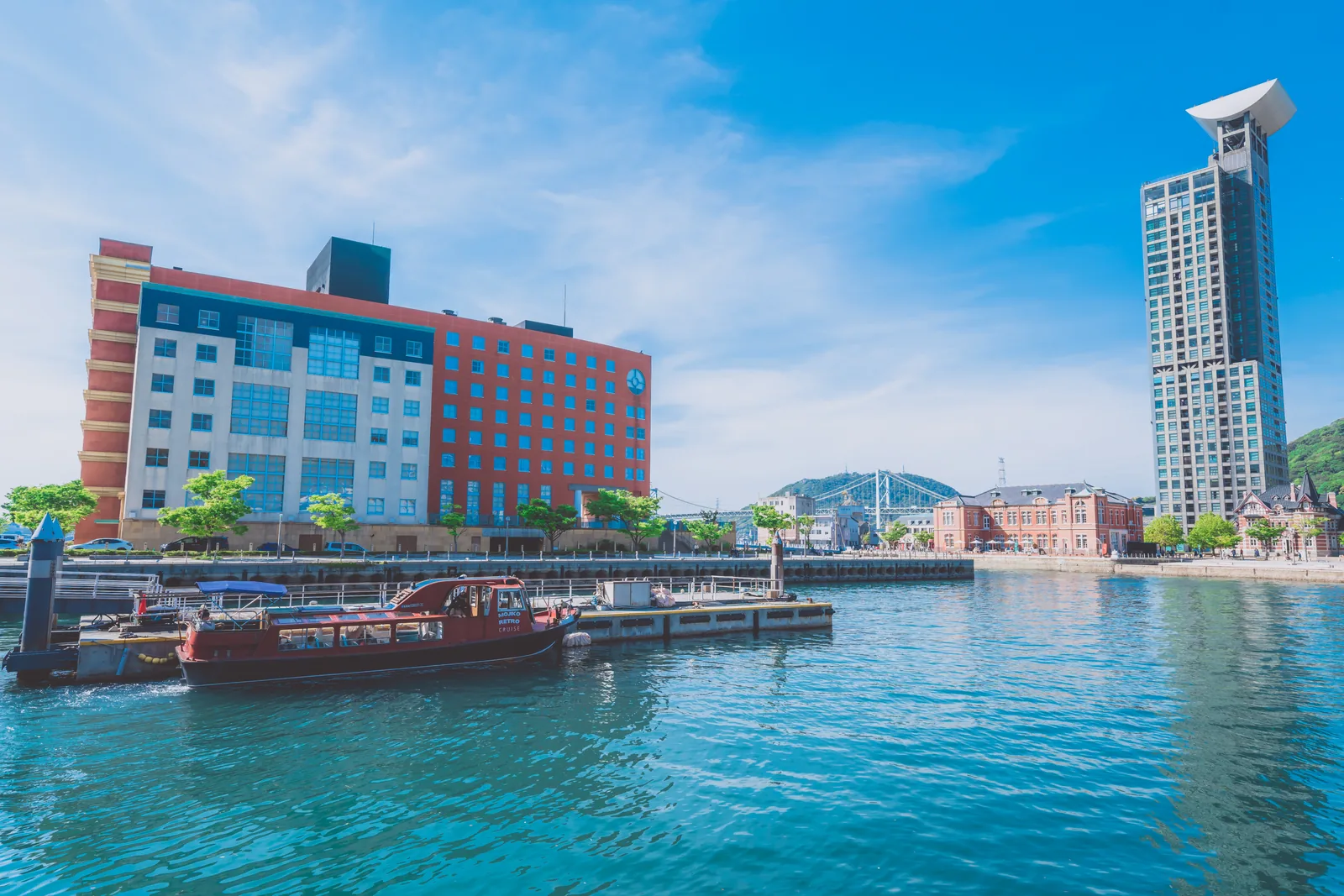
A waterfront hotel in the Mojiko Retro port quarter at the northern tip, looking across the Kanmon Straits to Honshu, a characterful base for Kitakyushu and the old harbour district.
Hotel Mid-range
Rihga Royal Hotel Kokura
Best for: Families, by Kokura Station
By Kokura Station Near Kokura Castle Spacious rooms
A large, comfortable hotel by Kokura Station in Kitakyushu, near the castle and the Tanga Market, a handy northern base with fast trains back to Hakata and over to Honshu.
Food culture

Where to eat

Fukuoka is one of the great eating cities of Japan, with Hakata tonkotsu ramen and the offal and chicken hotpots, the yatai stalls and the spicy mentaiko, the shrine sweets and steamed eel of the south, and the original ramen and fine green tea of Kurume and Yame. Here is where to eat, and what to order, across four parts of the prefecture.

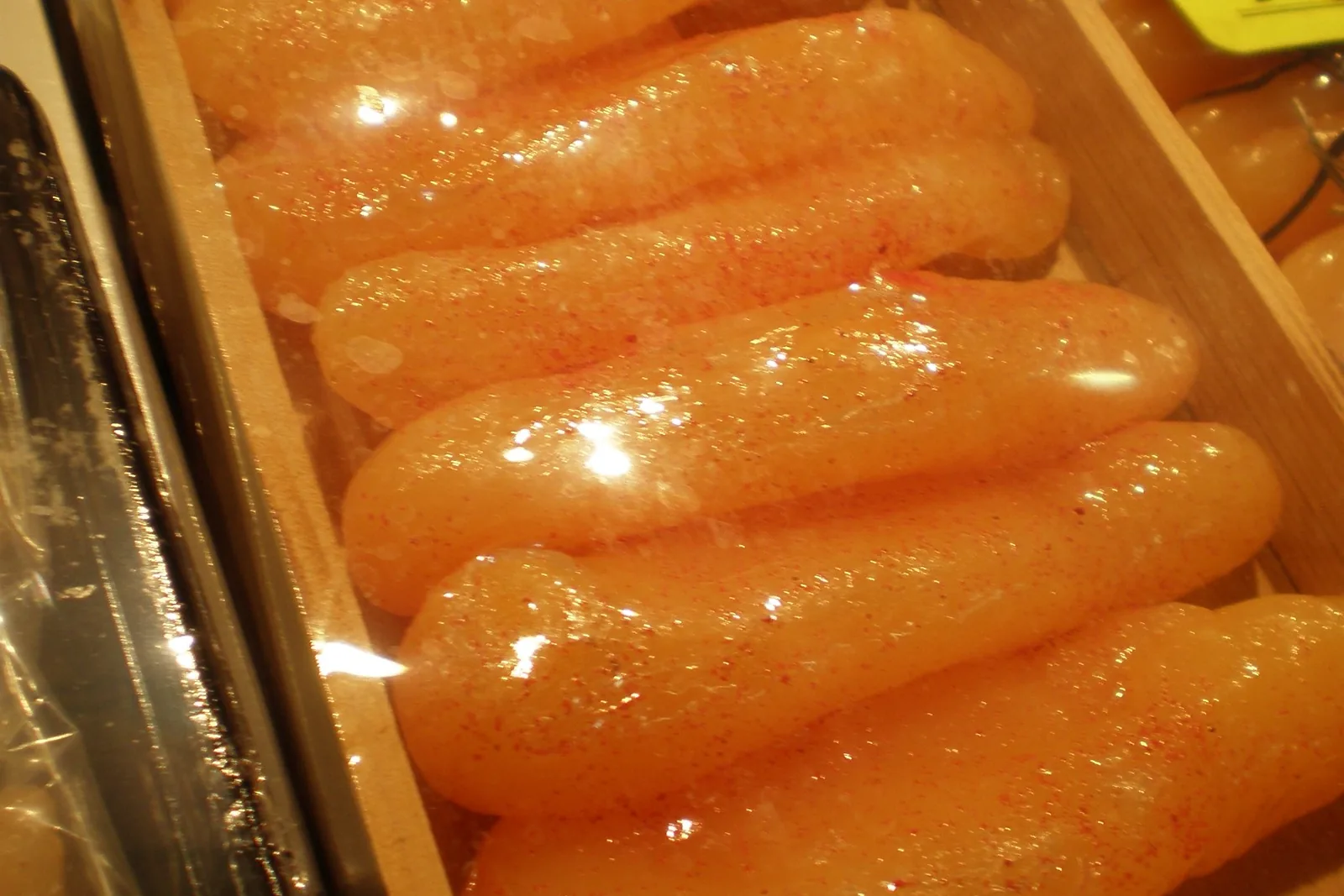
Mentaiko at a fish market in Fukuoka
Hakata

Hakata is the home of tonkotsu ramen and a city built around eating. The milky pork bone bowl and the offal hotpot are its signatures, and the spicy roe of mentaiko turns up at every table and in every souvenir bag.

Hakata Tonkotsu Ramen
博多ラーメン

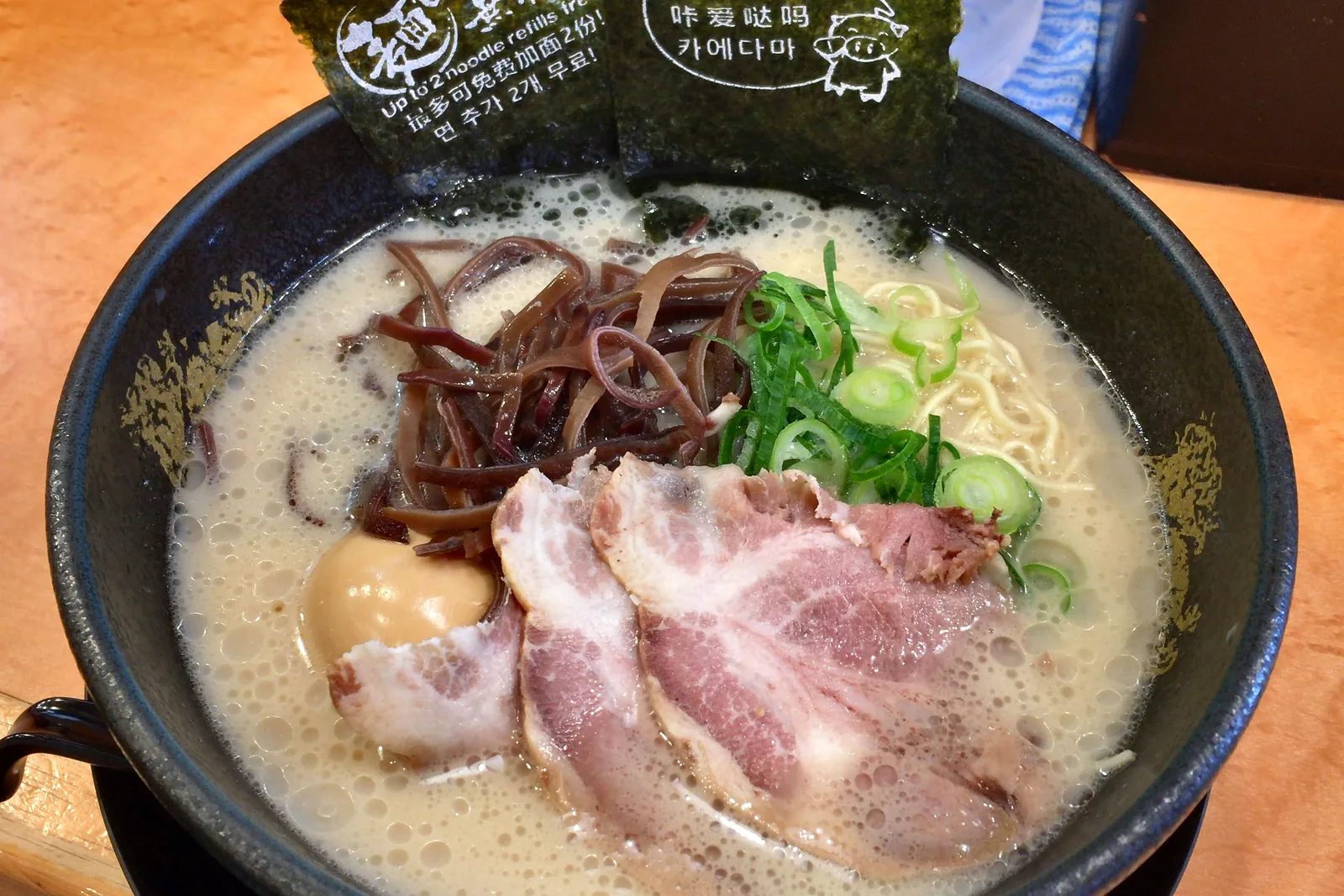
The milky pork bone ramen that made the city famous, the broth simmered cloudy and white over long hours, the noodles thin and firm so they cook in seconds. You order them to your liking and call for kaedama, a fresh refill into the same bowl.

Hakata tonkotsu ramen with thin noodles
Motsunabe
もつ鍋

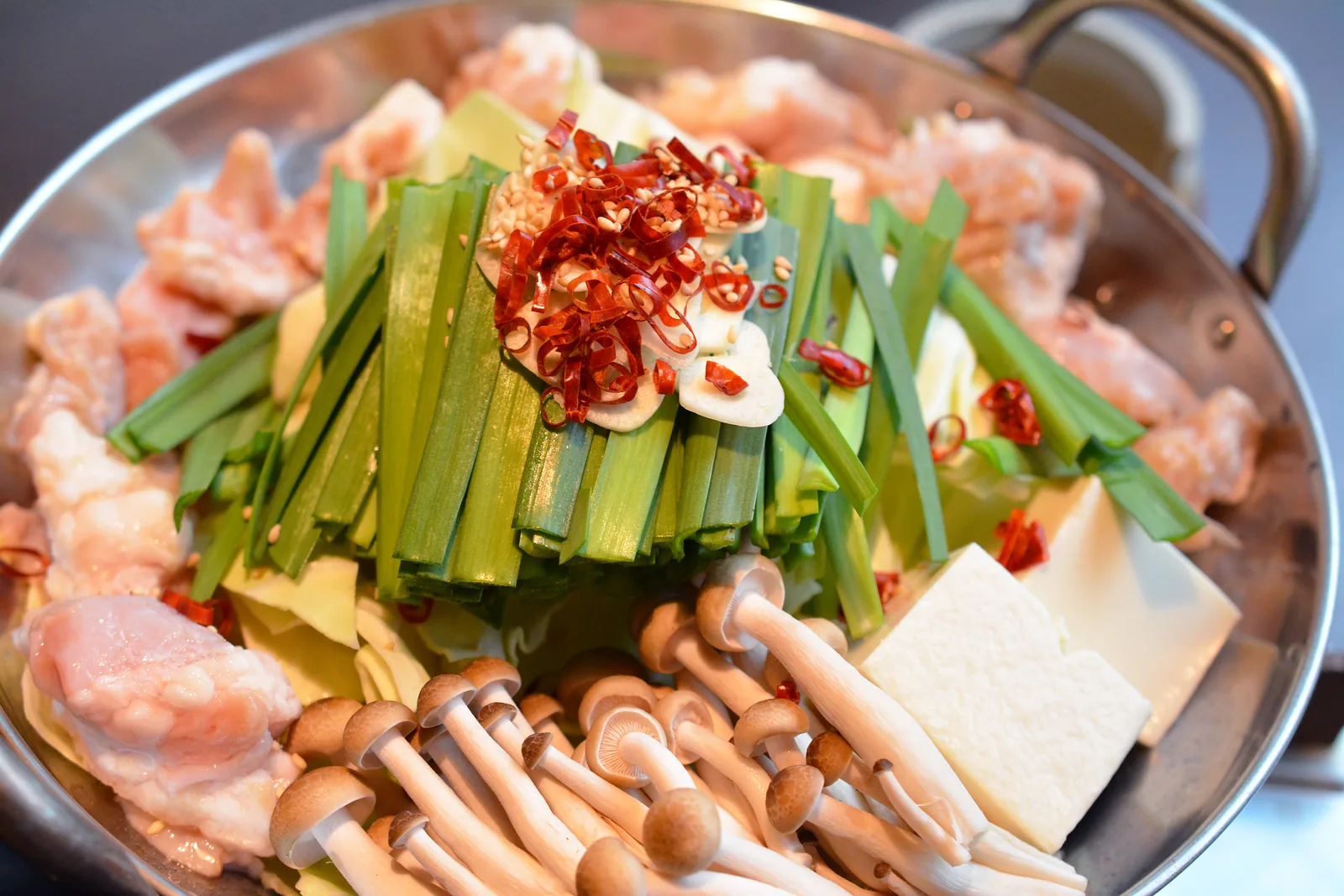
The offal hotpot of Fukuoka, beef or pork tripe simmered with mountains of cabbage and garlic chives in a soy or miso broth, the soup growing richer as it cooks. A winter dish shared at the table, plain and deeply savoury.

Motsunabe, offal hotpot topped with garlic chives
Mentaiko
明太子

Spicy marinated pollock roe, the defining Hakata flavour, brought over from Korea and made the city's own. It is eaten on hot rice and in onigiri, folded through pasta and grilled, and carried home in beautiful boxes as the souvenir of Fukuoka.

Mentaiko spicy cod roe
Yatai food stalls at night
Nakasu & the Yatai

After dark the riverbanks of Nakasu and Tenjin fill with yatai, the little food stalls that are the soul of the city. Around them sit the warming pots of the cold months, the clean chicken hotpot and the cool sesame mackerel of the Genkai Sea.

Yatai
屋台

The open-air food stalls that line the river at Nakasu and gather in Tenjin and Nagahama, around a hundred on a given night, the most of any city in Japan. You perch on a stool elbow to elbow for ramen, yakitori, oden and tempura and a drink.

Customers at a yatai counter in Nakasu at night
Mizutaki
水炊き

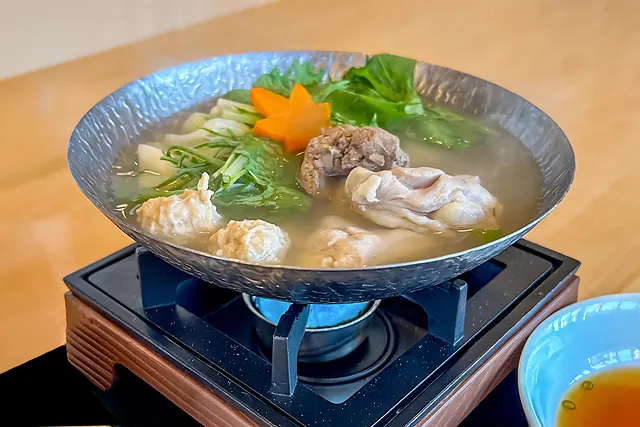
The chicken hotpot of Hakata, made by simmering chicken on the bone for hours into a clean, milky broth, then cooking vegetables and dumplings in it and dipping each piece in citrus ponzu. A lighter, more refined pot than motsunabe.

Mizutaki chicken hotpot
Goma-saba
ごまさば

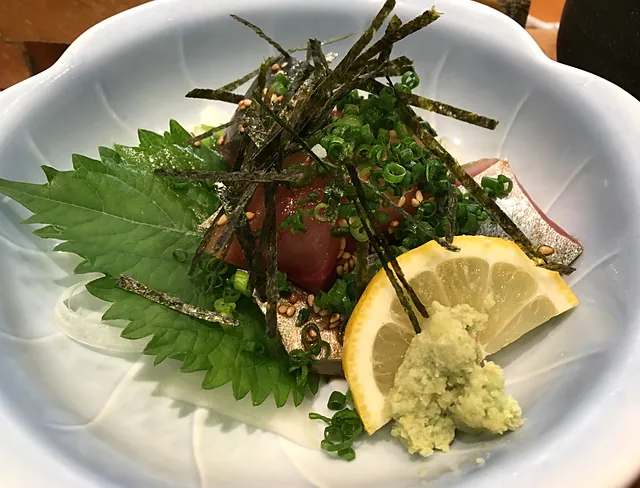
Fresh mackerel sliced raw and dressed in soy and sesame with spring onion, a dish only this kind of fishing port can make, eaten over rice or as a plate beside a drink. The Genkai Sea keeps the city in some of the finest seafood in Japan.

Goma-saba, mackerel in sesame sauce
A punt boat on the Yanagawa canals
Dazaifu & Yanagawa

South of the city the table turns to the shrine and the canals. Dazaifu's approach street grills a warm plum cake, Yanagawa steams its eel over rice, and the Fukuoka fields grow the country's prize strawberry.

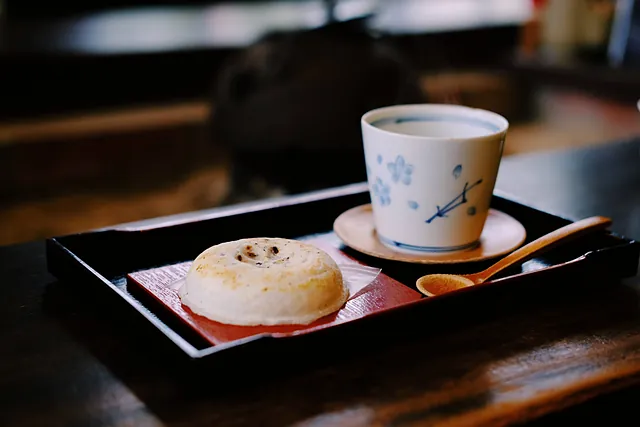
Umegae Mochi
梅ヶ枝餅

A grilled rice cake filled with sweet bean paste and pressed with a plum crest, sold warm from the shops that line the approach to Dazaifu Tenmangu, the snack of the shrine, crisp outside and soft within, eaten on the spot.

Umegae mochi with green tea
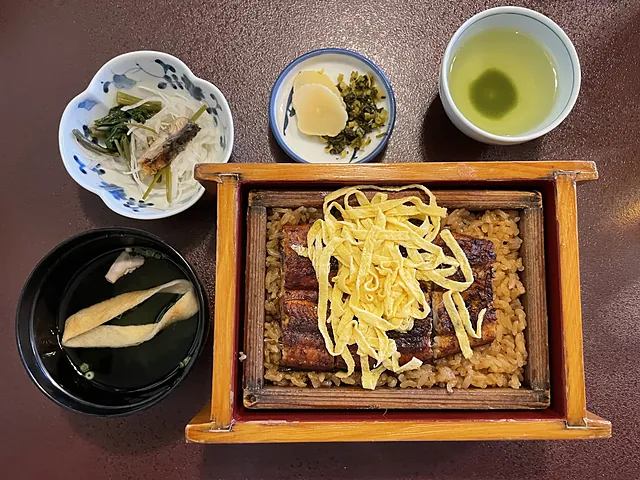
Unagi Seiro-mushi
せいろ蒸し

The steamed eel of Yanagawa, grilled in kabayaki sauce then laid over seasoned rice and steamed in a bamboo box until fluffy, topped with shredded egg. The juices soak down through the rice, the canal town's great dish for a feast.

Yanagawa unagi seiro-mushi set
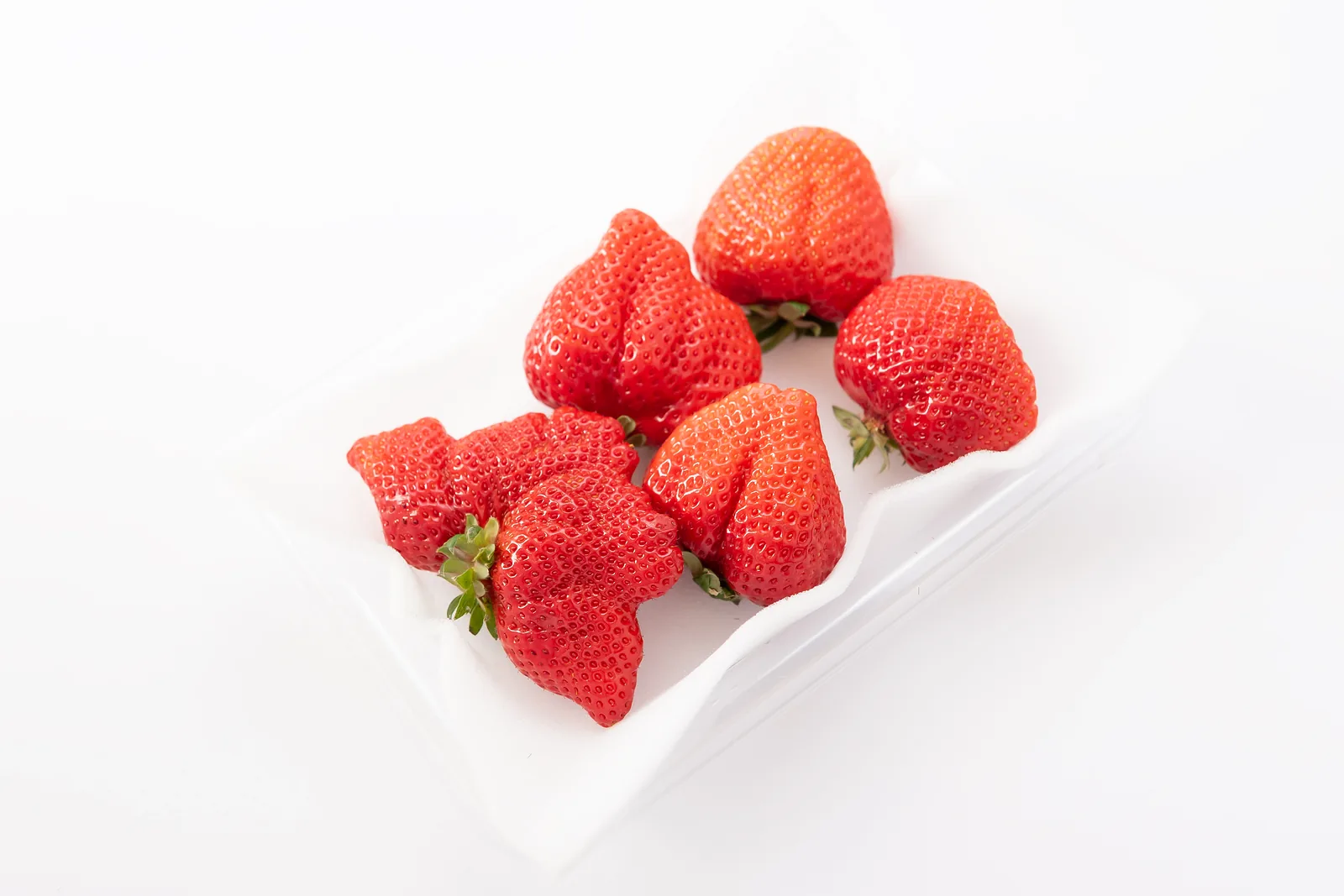
Amaou
あまおう

The strawberry of Fukuoka, grown only here, large and deep red right through, named for the words round, red, big and tasty. It comes in winter as fruit and in every sweet, from parfaits to daifuku, the prize berry of the prefecture.

Amaou strawberries
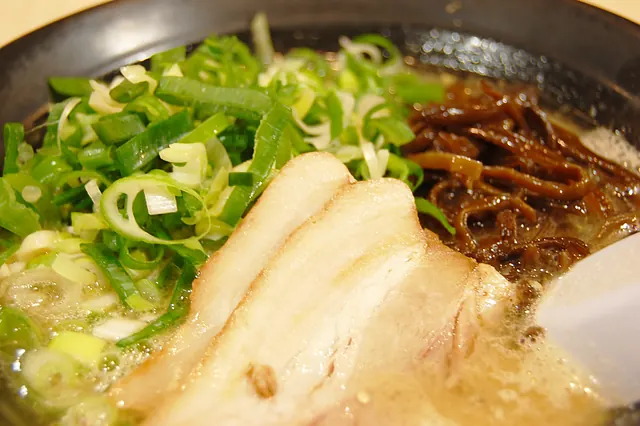
Tonkotsu ramen with green onion
Kurume & the South

The southern plain has its own food. Kurume claims the very first tonkotsu ramen, the city is dense with yakitori grills, and the hills of Yame grow some of the finest green tea in Japan.

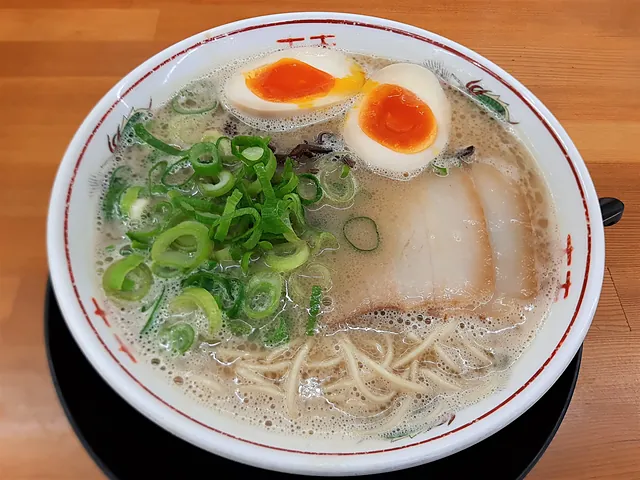
Kurume Ramen
久留米ラーメン

The original tonkotsu ramen, born at the stalls of Kurume before it ever reached Hakata, the broth kept going and topped up day after day for a deep, full bodied bowl. The richest and oldest of the three Fukuoka ramen styles.

Kurume tonkotsu ramen
Yakitori
焼き鳥

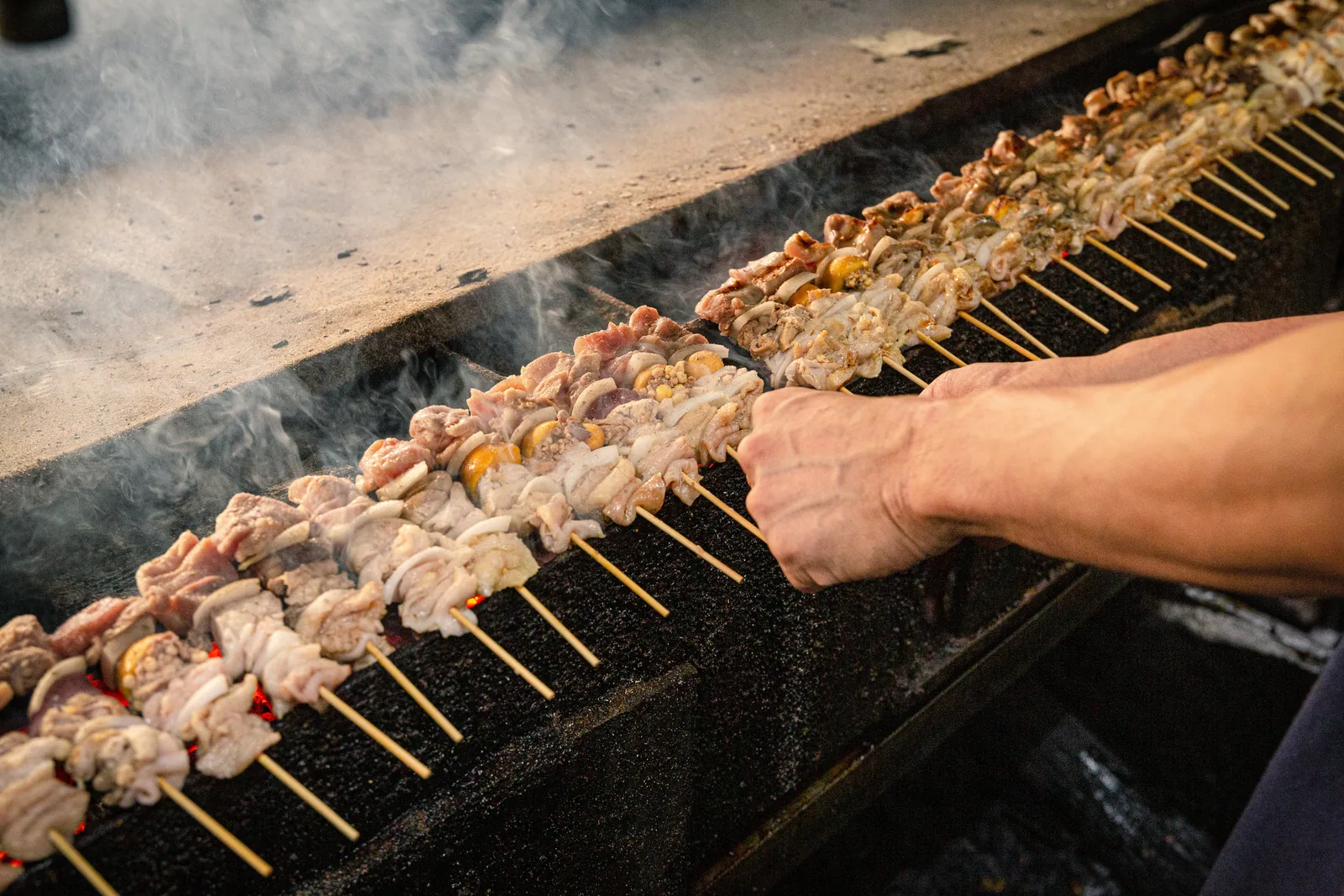
Grilled skewers, taken seriously in Kurume, a city said to have one of the highest densities of yakitori shops in the country. Here the word covers pork and vegetables as well as chicken, eaten hot off the charcoal with a vinegared cabbage.

Yakitori skewers cooking over charcoal
Yame Tea
八女茶

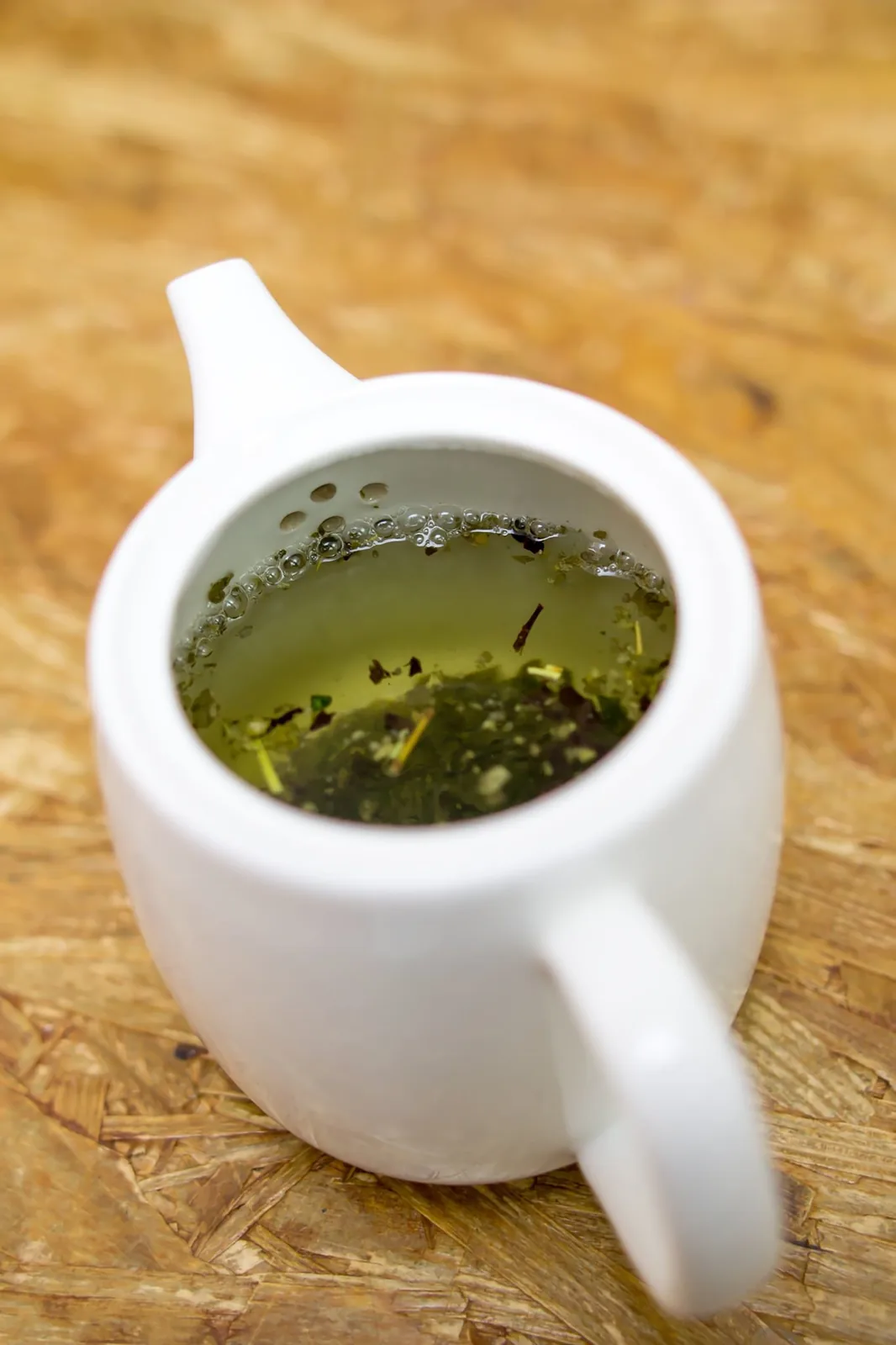
The green tea of the Yame hills in the south of the prefecture, prized above all for its gyokuro, the shaded leaf that gives a deep, sweet, full cup counted among the best in Japan, sold from the old tea houses of the town.

Green tea served in a teapot
Plan your trip

Book your stay in Fukuoka

Search accommodation across Fukuoka, from the hotels around Hakata Station and the shinkansen to the towers and shopping of Tenjin, the bayside resorts of Momochi, the canal town of Yanagawa and the retro port of Mojiko in Kitakyushu. Compare options across the major booking platforms.

Book with
Pick a site. Your dates and details are carried over so you can check prices and book there.

Ready to plan your Fukuoka trip?

Browse itineraries built specifically for this region, from first time visitors to return travellers.

View Fukuoka Itineraries →